


Ottawa Drain & Sewer Help
Drain & Sewer Services in Ottawa, Done Proper.
Slow drain? Clogged drain? Sewer smell? Basement floor drain backing up? Several drains reacting together? You do not need to know the perfect plumbing words. Start with what you are seeing and we will help you understand the safest next step.
No judgment. No question is stupid. We are not here to judge your home, your plumbing, what you tried, or what you know. We are here to make the situation calmer, clearer, and properly handled.
Drain Command Center
What do you need right now?
Jump straight to the help you need, or explore the page like a guided drain and sewer lesson.
Understand every step
“Finally people who treat your home the same as their own, you understand every step of what is being done, get what you pay for and pay for only what you need.”
Allan Drisdelle Google proof
Clean work, clear expectations
“They’re upfront — they let me know exactly what to expect or what could happen. Their work is always super clean.”
James Lapointe Google proof
Sewer and drain capability
“They’ve replaced our aging water and sewer lines, future-proofed both systems, installed a sump pump and storm drain backflow system, and more.”
Leanne Mortimer Google proof
Drain Problem Finder
Tell us what the drain is doing.
You do not need to know whether it is a fixture clog, blocked drain, branch drain, main line clog, sewer backup, floor drain backup, roots, or venting issue. Pick the closest symptom. The page will route the likely next step and show why that route makes sense.
Recommended first route
Local fixture-drain pattern
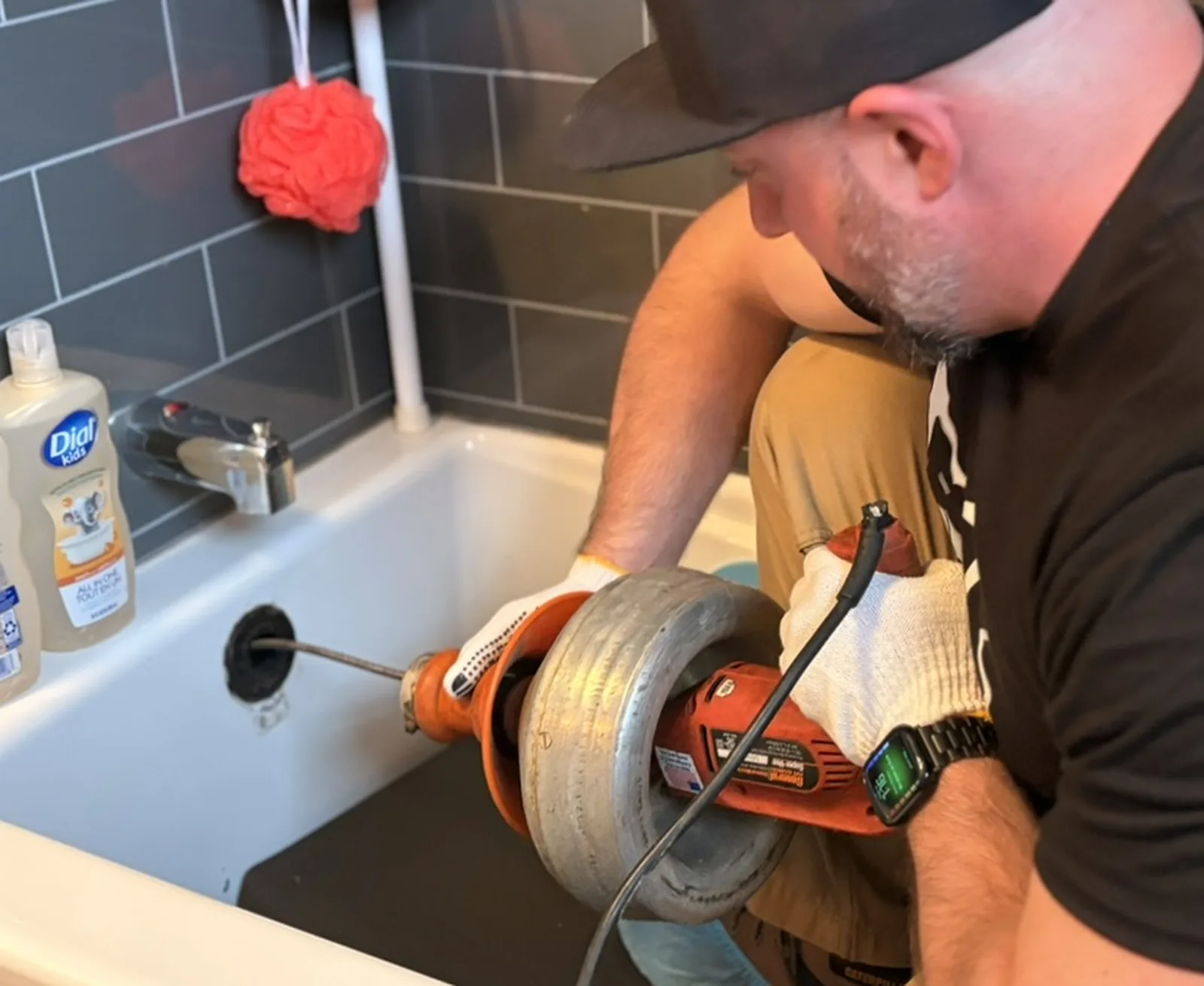
One slow drain usually points to the fixture, trap, pop-up, overflow, toilet bend, or short branch first. That does not guarantee it is simple, but it is the cleanest starting point before assuming the whole main line is involved.
Explain why this points here
If nearby fixtures drain normally, the first restriction is usually before the shared branch. That is why drain cleaning, kitchen sink clog, bathroom sink clog, shower drain clog, and bathtub drain clog are the cleanest first routes.
Recommended first route
Shared drain or main-line pattern
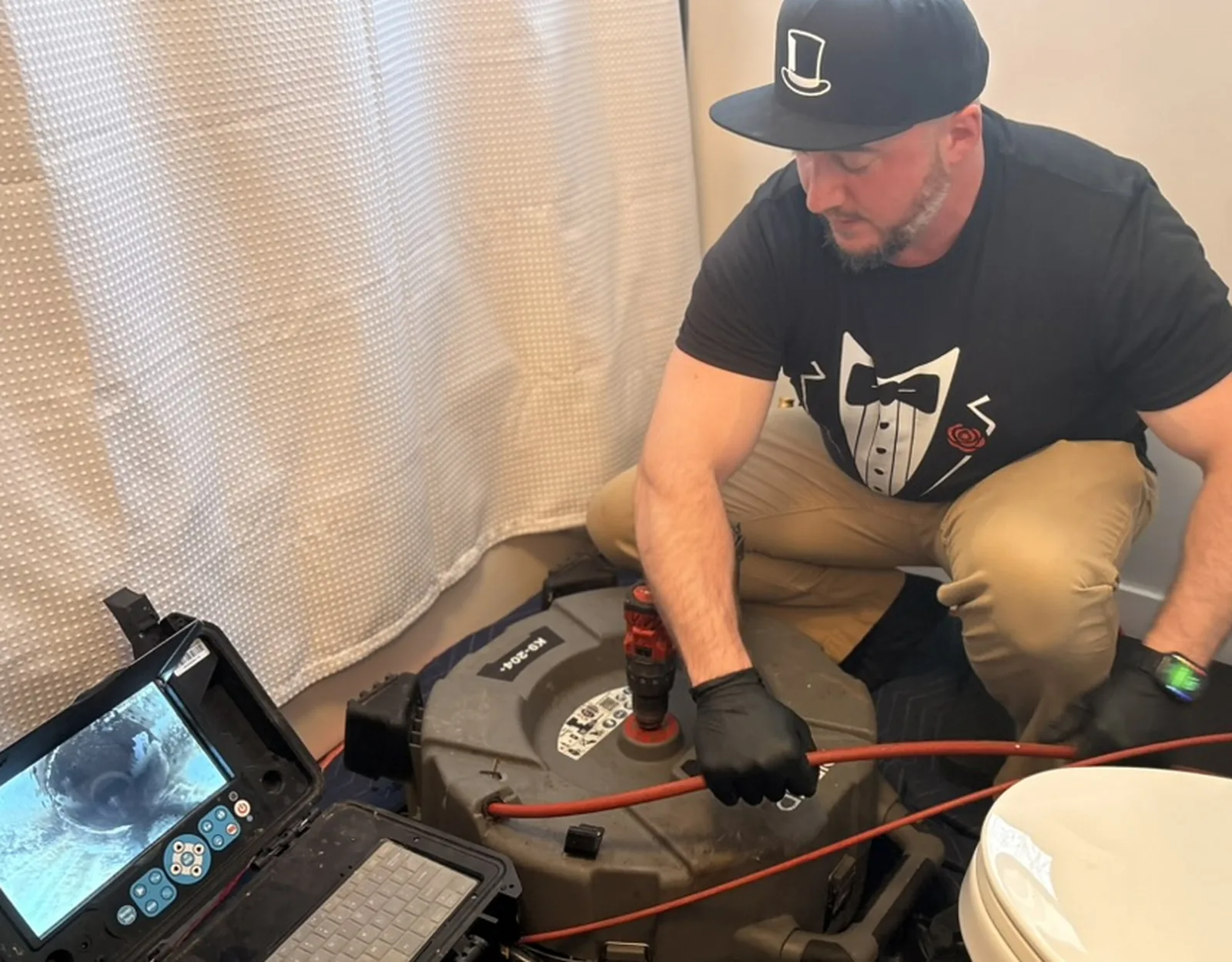
Several fixtures reacting together means the issue is probably past the first fixture. The shared path matters more than the one drain noticed first.
Explain why this points here
When multiple drains react, they usually meet downstream in a bathroom branch, stack, building drain, main line, or sewer lateral. That makes main line clog, sewer camera inspection, and sewer backup more relevant than a single fixture page.
Recommended first route
Lower-drain warning pattern
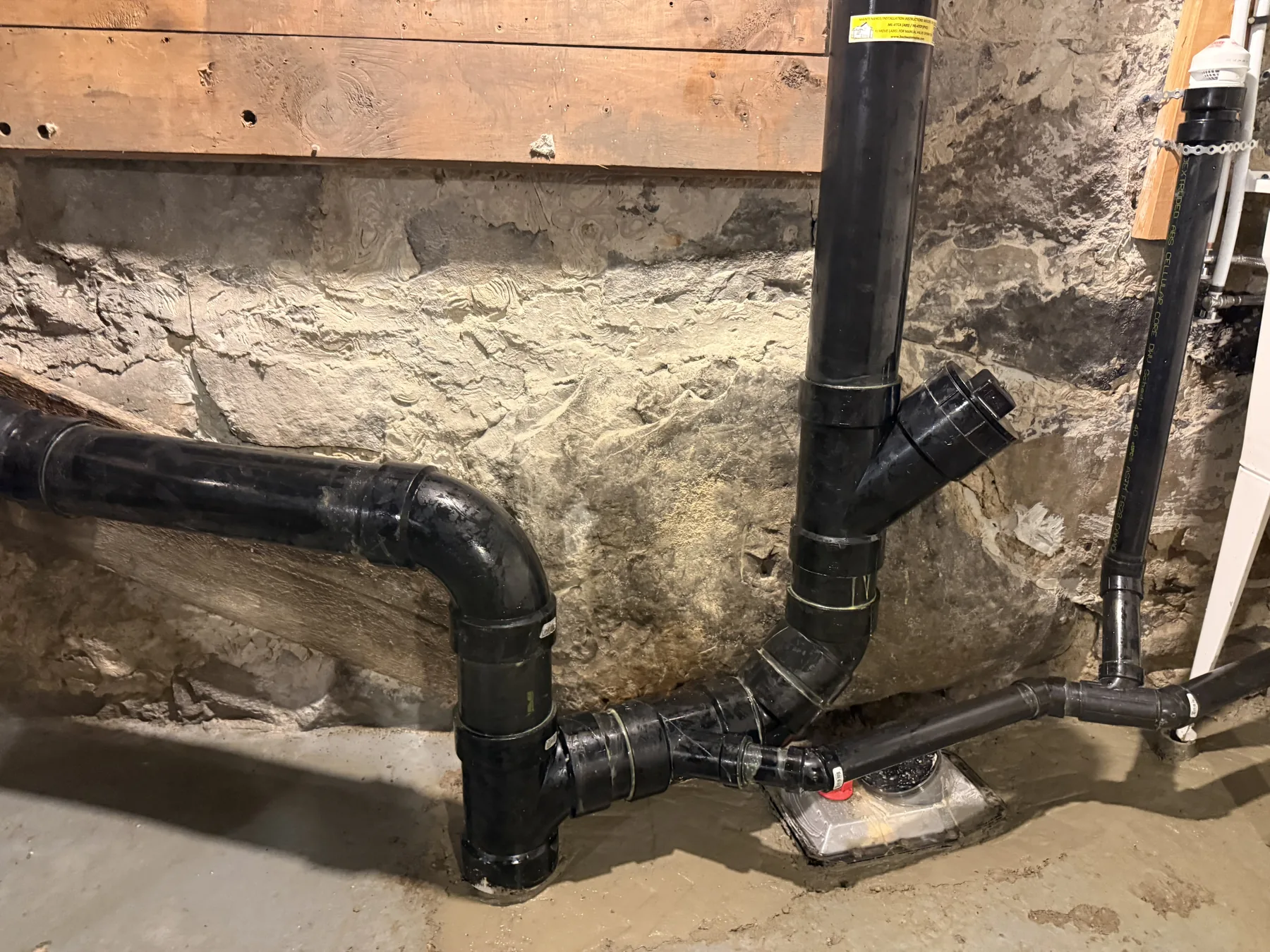
A floor drain is often one of the lowest openings in the home. Activity there can be an early warning that the building drain or sewer path is affected.
Explain why this points here
Lower openings show deeper drainage problems early because gravity gives backed-up water a place to appear. That makes floor drain backup, main line clog, and sewer backup more useful than treating this as a random sink clog.

Recommended first route
Active backup / containment pattern
Sewage or dirty water coming up is no longer a simple inconvenience. More water can add volume to the affected system.
Explain why this points here
The immediate goal is containment before diagnosis. Once wastewater is appearing, the route should shift toward sewer backup, floor drain backup, and emergency-safe homeowner steps instead of normal drain-cleaning browsing.

Recommended first route
Recurring-clog evidence pattern
A clog that keeps coming back may mean the last clearing opened a temporary path but did not explain the cause.
Explain why this points here
Repeat clogs deserve evidence because causes can include buildup, roots, pipe damage, slope, offsets, branch loading, or cleaning depth. Sewer camera inspection, hydro jetting, root intrusion, and why drains keep clogging are the better explanation paths.

Recommended first route
Toilet reaction / shared-line clue
A toilet that bubbles, gurgles, or reacts when another fixture runs can point past the toilet itself.
Explain why this points here
A normal toilet clog can be local, but a toilet reacting to other fixtures can mean pressure or blockage in a shared branch or main path. That is why both clogged toilet and main line clog should be visible routes.
Recommended first route
Odor, gurgle, or vent/trap confusion
Bad smells and strange drain noises can involve buildup, dry traps, venting, branch restrictions, or deeper drainage behavior.
Explain why this points here
Sewer smell by itself is not automatically a main-line clog, but odor plus slow drainage, gurgling, or backups changes the route. Compare drain cleaning, main line clog, and sewer camera inspection without guessing.
Recommended first route
Kitchen grease / food-waste pattern
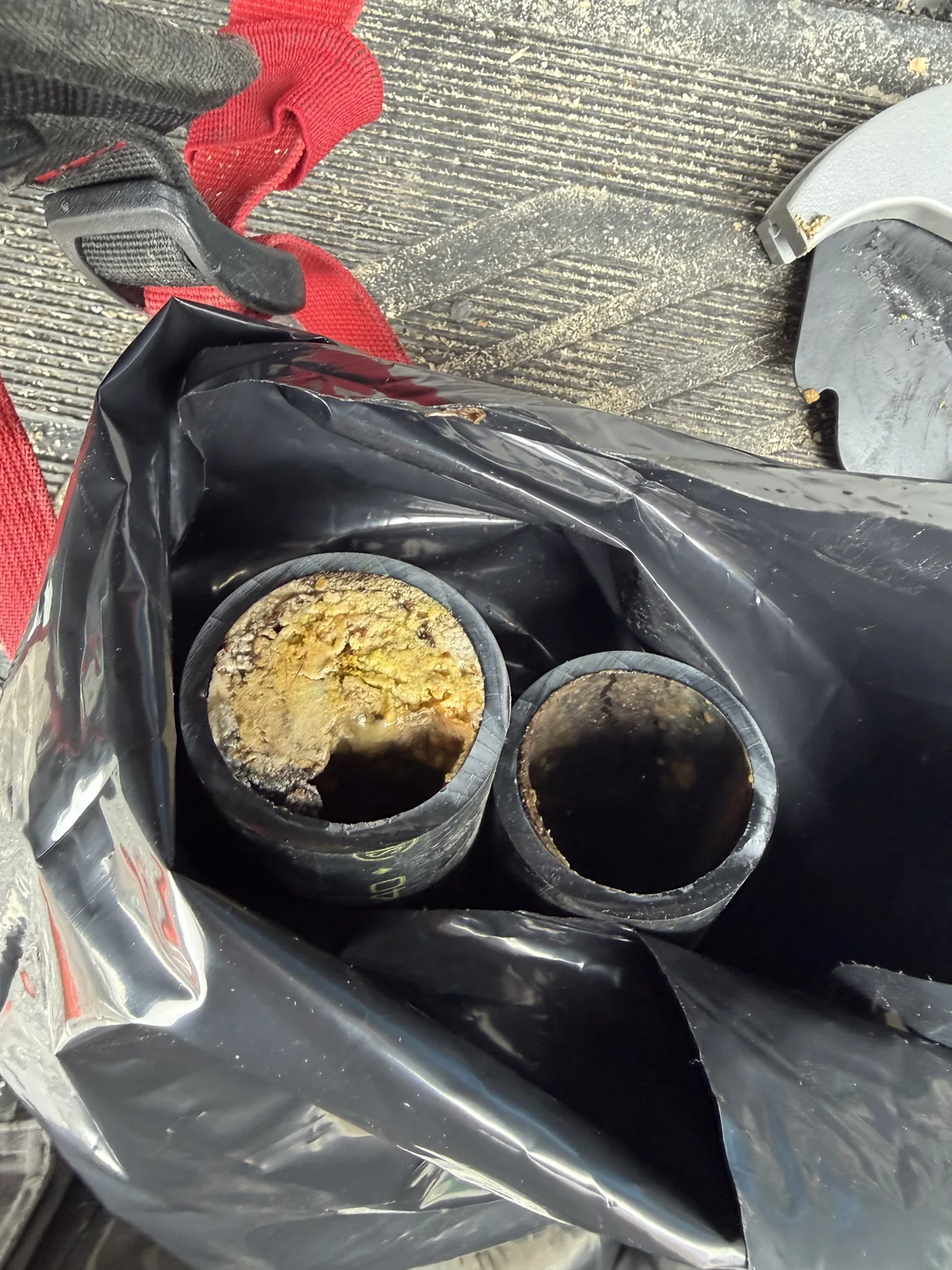
Kitchen sink backups often involve grease, food waste, trap buildup, dishwasher-side piping, or a loaded branch drain.
Explain why this points here
Kitchen drains behave differently from bathroom drains. Grease cools and clings to pipe walls, dishwasher discharge can add volume, and food waste can load the trap or branch. That is why kitchen sink clog deserves its own route.
Interactive Drain Blockage Guide
See how affected fixtures point to the blockage zone.
This is the larger diagnostic explainer. Choose the fixtures that are slow, gurgling, bubbling, or backing up. The guide uses the real branch, stack, building drain, and sewer-path logic from the existing blockage tool — rebuilt here as part of the page, not pasted in as a shortcode.
Drain blockage visual guide
Click the fixtures that are slow, gurgling, bubbling, or backing up. The guide highlights the likely shared blockage zone and shows which drain or sewer page fits the pattern.
Interactive house layout
Hover or tap a fixture to identify it, then select the ones that are actually acting up.
Service Route Board
Choose the drain page closest to what you are seeing.
This board keeps the page SEO-strong for drain cleaning Ottawa, clogged drain Ottawa, blocked drain Ottawa, sewer backup Ottawa, main line clog Ottawa, floor drain backup Ottawa, sewer camera inspection, hydro jetting, kitchen sink clogs, shower drain clogs, and sewer line repair.
 One drain or local blockageDrain CleaningSlow drains, clogged drains, blocked drains, and many single-fixture clogs.
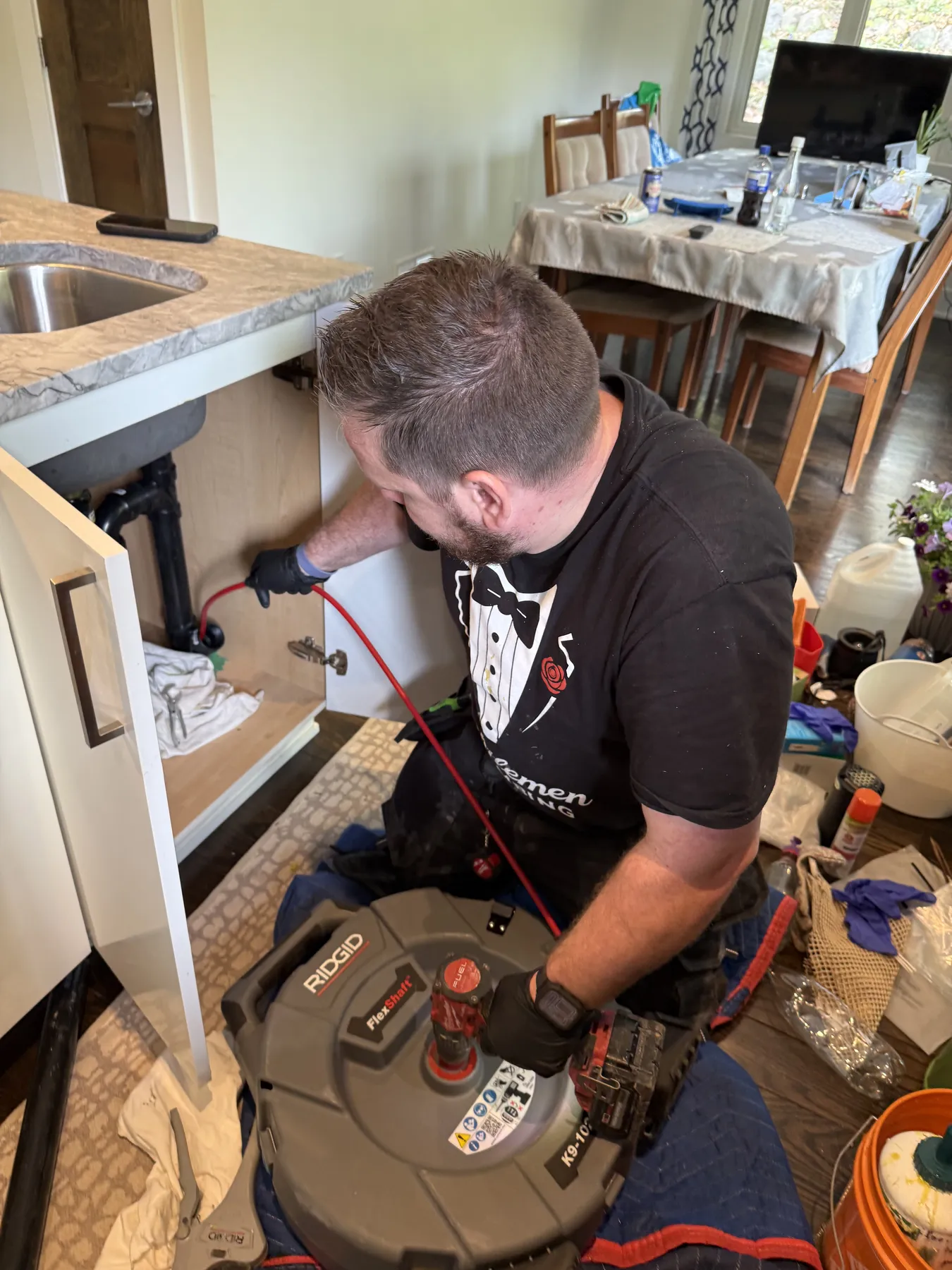 Grease, food, dishwasher sideKitchen Sink ClogKitchen sink backups, greasy odors, food waste, and kitchen branch loading.
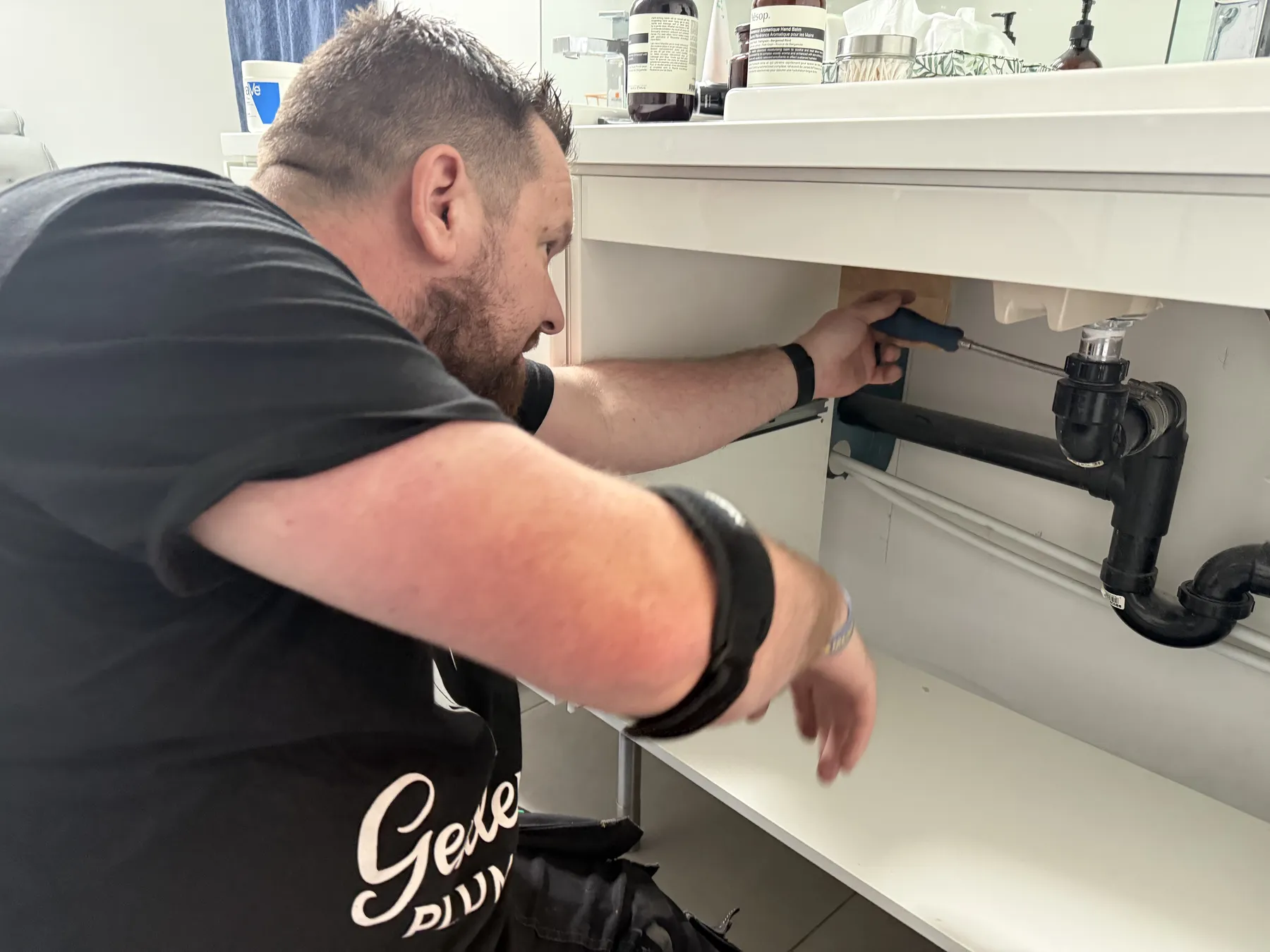 Lavatory drain, pop-up, trapBathroom Sink ClogBathroom sink drains, pop-up stoppers, traps, hair, soap, and sewer smell near a vanity.
Standing water, hair, soapShower & Tub Drain ClogsShower drain clogs, bathtub drain clogs, standing water, hair, and soap film.
Several drains or whole-home cluesMain Line ClogSeveral drains backing up, toilet bubbling, or suspected building drain / main sewer line issues.
Lowest drain warningFloor Drain BackupBasement floor drain backups, laundry water at the floor drain, and lower-level backup clues.
Containment firstSewer BackupSewage or dirty water coming up from a floor drain, tub, shower, toilet, or lower fixture.
See the causeSewer Camera InspectionRecurring clogs, roots, damaged pipe, unclear causes, and repair planning.
Lavatory drain, pop-up, trapBathroom Sink ClogBathroom sink drains, pop-up stoppers, traps, hair, soap, and sewer smell near a vanity.
Standing water, hair, soapShower & Tub Drain ClogsShower drain clogs, bathtub drain clogs, standing water, hair, and soap film.
Several drains or whole-home cluesMain Line ClogSeveral drains backing up, toilet bubbling, or suspected building drain / main sewer line issues.
Lowest drain warningFloor Drain BackupBasement floor drain backups, laundry water at the floor drain, and lower-level backup clues.
Containment firstSewer BackupSewage or dirty water coming up from a floor drain, tub, shower, toilet, or lower fixture.
See the causeSewer Camera InspectionRecurring clogs, roots, damaged pipe, unclear causes, and repair planning.
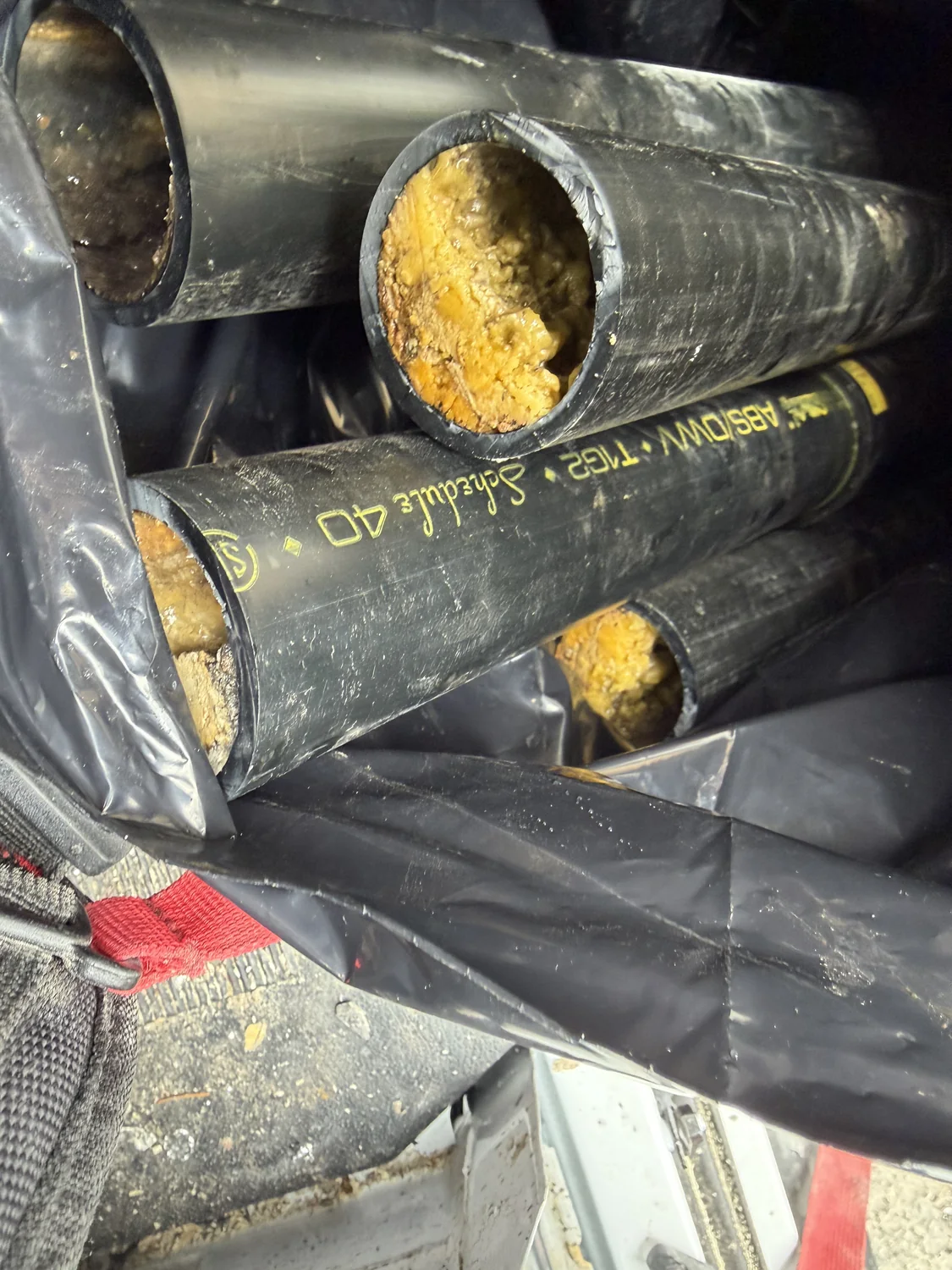 Heavy buildupHydro JettingStubborn grease, sludge, buildup, and recurring line loading when the evidence fits.
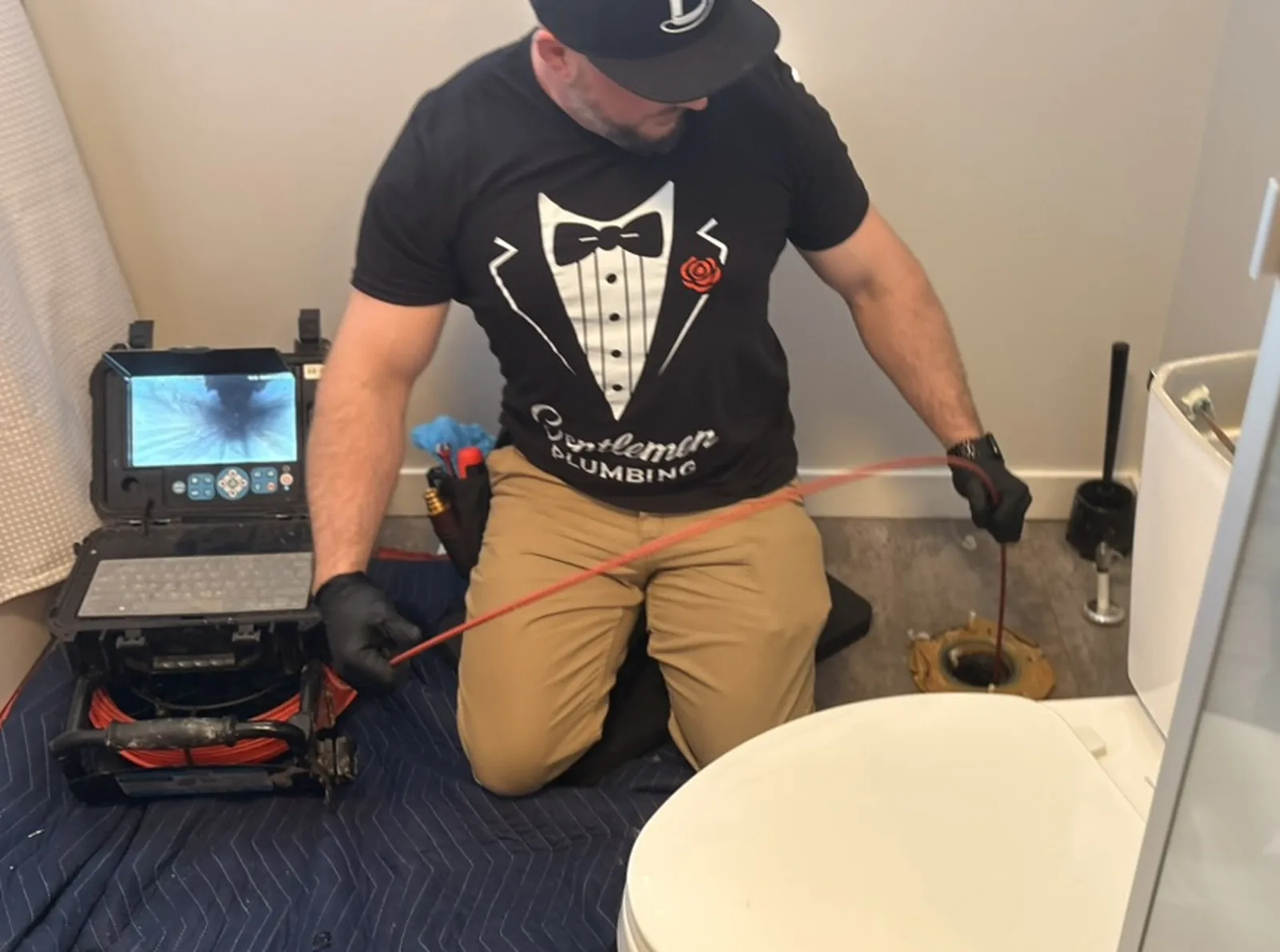 Roots and line conditionRoot IntrusionSuspected roots and recurring sewer clogs that need confirmation before repair language.
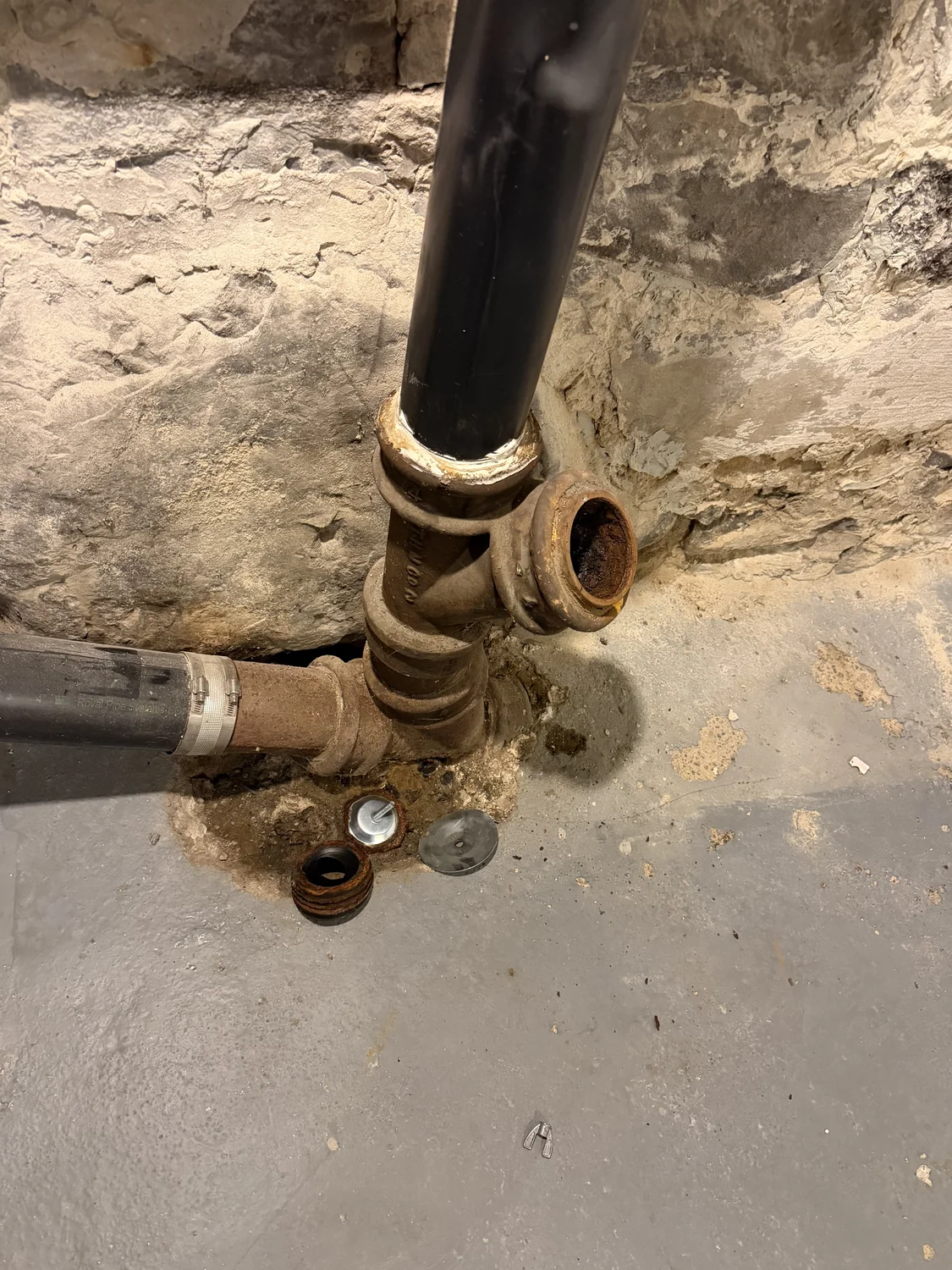 When cleaning is not enoughDrain Repair / Sewer Line RepairDamaged, offset, collapsed, badly sloped, or failing drain and sewer lines after evidence.
Before forcing the clogHow to Unclog a Drain SafelySafe first steps, what to avoid, and when a clogged drain should become a professional drain cleaning call.
Repeat blockage educationWhy Drains Keep CloggingGrease, hair, roots, slope, damaged pipe, branch loading, and why clearing once may not explain the cause.
Main line warning signsSigns of a Main Sewer Line ClogSeveral drains backing up, toilet bubbling, lower-level symptoms, and why the shared path matters.
Containment firstWhat To Do During a Sewer BackupImmediate homeowner steps when sewage or dirty water is coming up from a lower drain or fixture.
Prevention contextHow to Prevent Sewer BackupBackup risk, backwater valve context, lower openings, and what prevention can and cannot promise.
Evidence before bigger workWhen to Use a Sewer CameraWhen visual diagnosis makes sense before hydro jetting, root discussions, or sewer line repair planning.
When cleaning is not enoughDrain Repair / Sewer Line RepairDamaged, offset, collapsed, badly sloped, or failing drain and sewer lines after evidence.
Before forcing the clogHow to Unclog a Drain SafelySafe first steps, what to avoid, and when a clogged drain should become a professional drain cleaning call.
Repeat blockage educationWhy Drains Keep CloggingGrease, hair, roots, slope, damaged pipe, branch loading, and why clearing once may not explain the cause.
Main line warning signsSigns of a Main Sewer Line ClogSeveral drains backing up, toilet bubbling, lower-level symptoms, and why the shared path matters.
Containment firstWhat To Do During a Sewer BackupImmediate homeowner steps when sewage or dirty water is coming up from a lower drain or fixture.
Prevention contextHow to Prevent Sewer BackupBackup risk, backwater valve context, lower openings, and what prevention can and cannot promise.
Evidence before bigger workWhen to Use a Sewer CameraWhen visual diagnosis makes sense before hydro jetting, root discussions, or sewer line repair planning.
Drain Language Translator
What homeowners call it, and what plumbers check.
People use different words for the same scary drain problem. A slow drain, clogged drain, blocked drain, sewer smell, floor drain backup, and main line clog can overlap. This guide translates common search terms into better next steps without making you learn plumbing vocabulary first.
You might say
“My drain is slow.”
We check whether it is one fixture, one room, or a shared branch. One slow sink, shower, tub, or laundry drain often starts local.
You might say
“My kitchen sink is clogged.”
We think about grease, food waste, dishwasher discharge, trap buildup, and branch loading before calling it a main-line problem.
You might say
“The tub or shower is backing up.”
Hair, soap, the overflow, and the bathroom branch matter. If toilets or lower drains react too, the route changes.
You might say
“The toilet bubbles or gurgles.”
A toilet clog can be local. A toilet that reacts when another fixture runs can point to a branch, stack, or main line.
You might say
“Water is coming up from the floor drain.”
The lowest drain deserves attention because it can show deeper building drain, sewer path, or backup-risk behavior.
You might say
“The drain smells like sewer.”
Odor can involve traps, buildup, dry drains, venting, or deeper drainage behavior. The smell matters most when paired with slow drains or gurgling.
You might say
“The same drain keeps clogging.”
Recurring clogs deserve evidence. The cause might be buildup, roots, slope, pipe condition, or cleaning depth.
You might say
“Sewage is coming up.”
That is containment first. Stop adding water, keep people away from sewage, and call before testing more fixtures.
Understanding Your Drain System
How drains work, without making you feel stupid.
Most homes have fixture drains, traps, branches, stacks, vents, a building drain, and a sewer path. Knowing the difference helps explain why one slow sink is not the same as a basement floor drain backup.
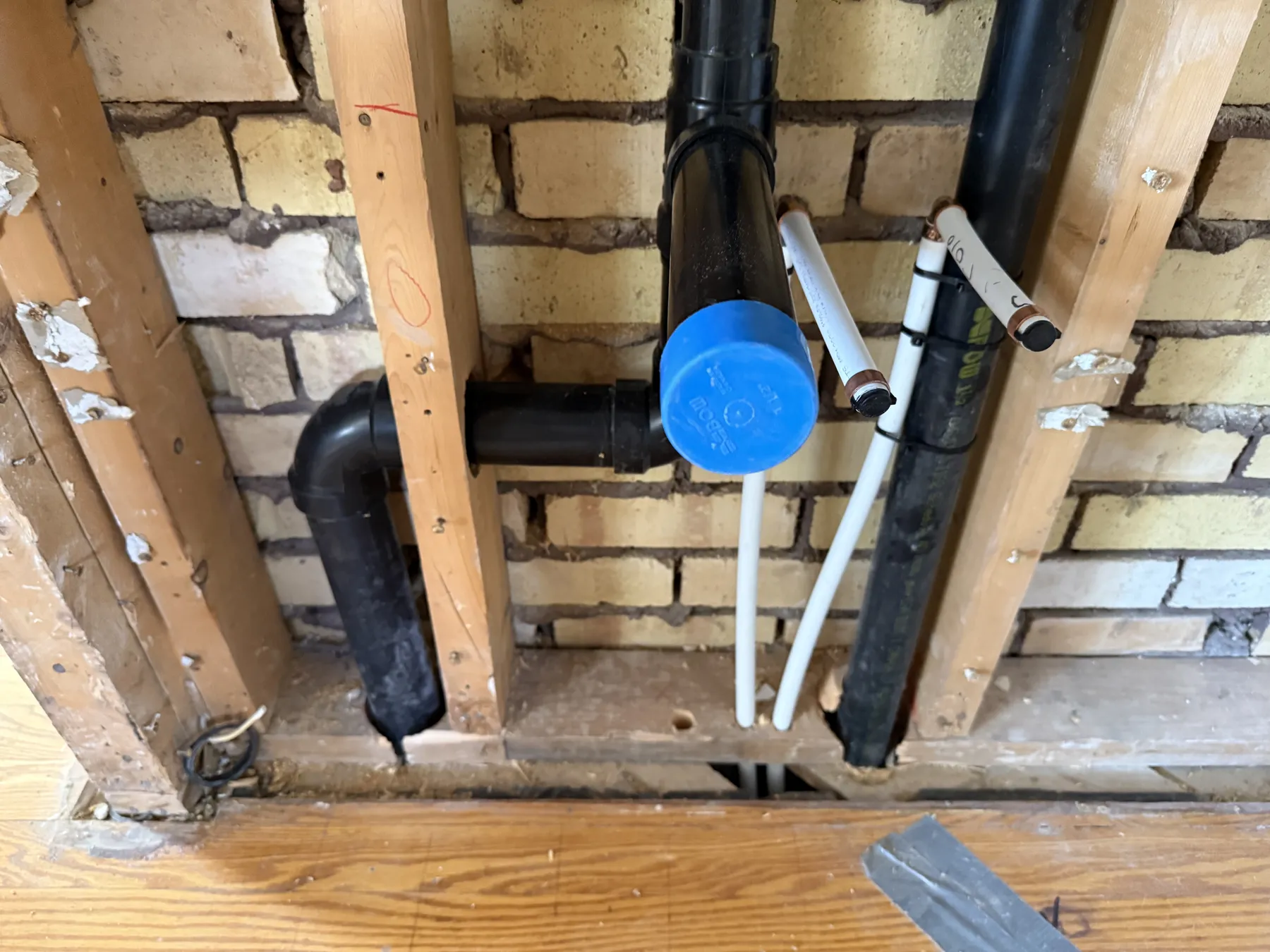
System part
Fixture drain
This is the sink, tub, shower, toilet, laundry standpipe, dishwasher-side drain, or floor drain you notice first. If only one fixture is affected, start local before assuming the main line is blocked.
Tools & Solutions Lab
The first tool is not always the last tool.
Drain work can be simple, or it can reveal bad slope, poor venting, older pipe, grease, roots, or damaged line. We start with the reasonable route, then explain before moving to something more involved.
Tool route
Snake / cable machine
A snake or cable machine may clear many clogged drains and blocked drains, especially when the pattern is local or branch-level.
Homeowner Drain Playbook
How to avoid drain blockages without pretending homes are perfect.
Prevention should feel helpful, not preachy. A lot of drain trouble comes from normal life: cooking, hair, soap, laundry, old piping, bad slope, poor venting, roots, and fixtures used by real people. These are the habits and warning signs worth knowing.
Prevention guide
Kitchen grease is a slow trap.
Grease often goes down warm and liquid, then cools on the pipe wall and starts catching food waste. Wiping pans before washing, using sink strainers, and avoiding grease down the drain can reduce kitchen sink clogs.
Evidence Lab
Different causes can look the same from the surface.
Slow drains, sewer smells, gurgling, and recurring backups can overlap. Choose a cause to see what usually fits and which page should explain it.
Cause explainer
Hair and soap buildup
Often affects bathroom sinks, showers, tubs, and pop-up assemblies. If isolated to one fixture, local drain cleaning is usually the first route.
Things People Want To Know
What to expect from us before you book.
Homeowners want competence, but they also want to feel safe, respected, and not trapped by surprise pricing. This section keeps those answers close together.
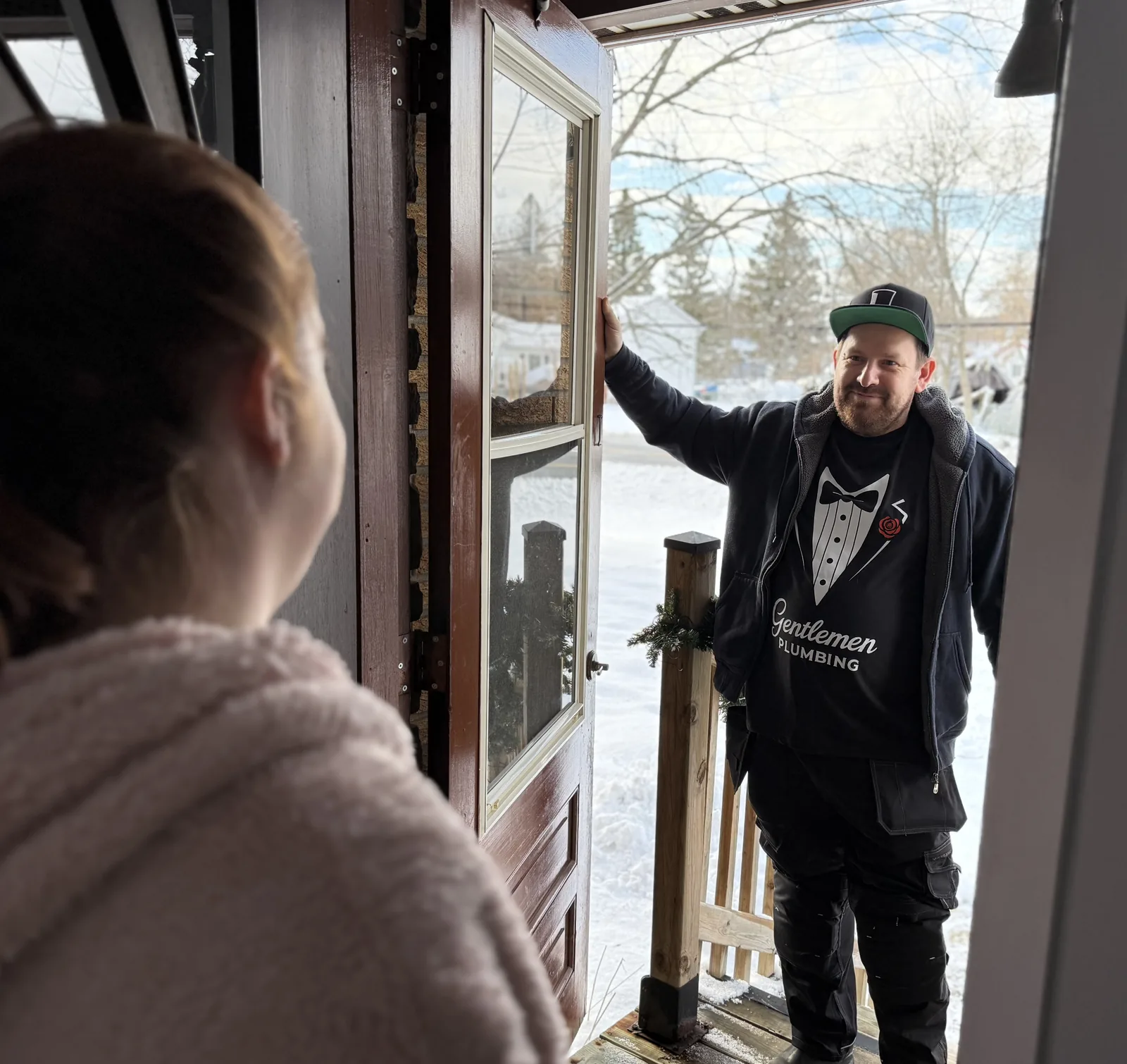
What to expect
We slow the problem down before we sell anything.
A drain problem can feel urgent, messy, confusing, or embarrassing. That is exactly why the visit should feel calm. We listen first, protect the home, isolate the pattern, explain what we see, and get approval before work begins.
FAQ
Questions Ottawa homeowners actually ask.
Clear answers for slow drains, clogged drains, floor drain backups, sewer backup, main line clogs, sewer camera inspections, hydro jetting, roots, and drain service pricing.
What is the difference between one slow drain and several drains backing up?
One slow sink, tub, or shower is often local to that fixture or branch. Several drains reacting together can point to a shared branch, building drain, main line, or sewer path. The pattern matters because the correct service route changes.
Should I stop using water if sewage is coming up?
Yes. If sewage or dirty water is coming up from a floor drain, tub, shower, or toilet, stop using affected fixtures and call. Running more water can add volume to the affected system.
Can you price a drain cleaning over the phone?
We can often give rough guidance from photos and a clear description, but the final scope depends on access, pipe material, severity, slope, venting, pipe condition, and what happens once work begins. The $50 service visit fee is for showing up and assessing; it is not the price of drain cleaning.
When do I need a sewer camera inspection?
A sewer camera inspection makes sense when a clog keeps returning, the cause is unclear, roots are suspected, repair is being discussed, or several fixtures suggest a deeper shared line issue.
Does every recurring clog need hydro jetting?
No. Hydro jetting can be useful for heavy buildup, grease, sludge, or recurring line loading, but it should match the evidence. Sometimes the correct next step is camera inspection, local cleaning, repair planning, or prevention.
What causes a basement floor drain to back up?
A basement floor drain backup can be related to a building drain, main line, sewer lateral, backwater valve area, or public-side surcharge situation. If other fixtures are involved, the concern is usually more serious than a single local clog.
Can roots cause sewer problems in Ottawa homes?
Yes. Roots can enter sewer lines and contribute to recurring clogs or backups. The important part is confirming what is happening with evidence before jumping straight to repair language.
Do you give options before doing bigger work?
Yes, but drain work can change as evidence comes in. Sometimes we can start with a cheaper, reasonable route and only move to a more involved option if the drain system shows that the first route is not enough.
Ready for a calmer next step?
You should not need the perfect service name to get the right help.
Describe what you are seeing. We will help you figure out whether it looks like a local clog, main-line issue, sewer backup concern, or evidence-first diagnosis path.