


Ottawa Drain & Sewer Services
Drain Cleaning in Ottawa, Done Proper.
Slow drain, recurring clog, floor drain backup, laundry standpipe overflow, or several fixtures reacting together? Start with what the drain is doing. We’ll clear what can be cleared, test the result, and explain when the pattern deserves a deeper look.
Clear the drain. Understand the pattern. Avoid the guessing.

Start with the pattern
What kind of drain problem are you seeing?
Start with what the drain is doing. A single slow sink is different from several drains backing up together. A recurring clog is different from a first-time blockage.
One drain is slow
A single sink, tub, shower, or laundry drain often starts as a local drain-cleaning issue.

The same drain keeps clogging
If the issue keeps returning, the last clearing may have treated the symptom, not the cause.
Several fixtures react together
Multiple drains backing up or gurgling can point to a shared branch or main-line issue.
Basement floor drain backs up
Floor drain activity is a bigger warning sign, especially if wastewater or laundry water is involved.
Toilet bubbles or gurgles
A toilet reacting when other fixtures run can point beyond the toilet itself.
Sewer smell appears
Smell can involve traps, buildup, venting, branch drains, or deeper sewer issues.
Interactive education
Use the Drain Blockage Analysis Tool.
Select the fixtures or drains that are slow, gurgling, backing up, or reacting together. The guide helps explain whether the issue looks local, shared, lower-level, or deeper in the main drain.
Not sure what the pattern means?
Tell us which fixtures you selected. We’ll help route the next step.
What the tool teaches
One drain, shared branch, or main line? The pattern changes the next step.
One fixture
A single slow sink, tub, shower, or laundry drain often starts locally. Drain cleaning may clear the fixture drain or short branch, then we test whether the issue behaves normally.
Shared branch
If nearby fixtures react together, the issue may be farther down the shared branch serving that room or area.
Main line
If drains in different parts of the home react together, or the lowest drain backs up first, the issue may be deeper in the building drain or sewer path.
Recurring clog
If the same drain keeps returning after clearing, the conversation changes. Buildup, roots, pipe condition, slope, or cleaning depth may matter.
Helpful first steps
What you can safely do before a drain appointment.
A few careful steps can protect the home and make the visit clearer. The goal is not to force the clog — it is to avoid making the backup worse.
- Stop using fixtures if water is backing up.
- If only one sink is slow, remove visible debris from the stopper or strainer.
- If a toilet is clogged, do not keep flushing repeatedly.
- If a basement floor drain is backing up, stop running laundry, showers, dishwashers, or other water until the issue is assessed.
- Take a short video if the problem comes and goes.
- Note whether one fixture or several fixtures are affected.
- Clear safe access around the affected drain, cleanout, or fixture.
- Tell us if drain chemicals were used.
Avoid making it worse
What not to do.
- Repeatedly flushing a clogged toilet.
- Running laundry while a floor drain is backing up.
- Pouring harsh chemicals right before a plumbing visit.
- Treating several fixtures backing up as a simple sink clog.
- Ignoring repeat clogs because they “eventually go down.”
- Testing more fixtures casually when sewage or floor-drain backup is involved.
What drain cleaning means here
Drain cleaning is not one-size-fits-all.
“Drain cleaning” can mean different things depending on which part of the drainage system is involved. The goal is to clear the line at the right level, test the result, and explain what the pattern suggests.
Fixture drain cleaning
Kitchen sinks, bathroom sinks, tubs, showers, toilets, floor drains, and laundry standpipes often need local clearing first.
Branch drain cleaning
When connected fixtures react together, we treat it like a shared-line issue, not a random single-drain annoyance.
Main-line clearing
When multiple fixtures are involved or lower-level drains react first, the main drain or sewer path may need attention.
Recurring-clog diagnosis
If a clog keeps returning, the answer may involve deeper cleaning, camera inspection, hydro jetting, roots, or repair planning.
Tool clarity
Snaking, camera inspection, hydro jetting — what’s the difference?
Different tools solve different problems. The right tool depends on the pattern, the pipe, and the evidence.
Drain machine / snaking
Best for: Many local or reachable clogs where the blockage can be cleared mechanically.
Not for: Explaining repeated clogs by itself.
Sewer camera inspection
Best for: Recurring clogs, unclear cause, suspected roots, multiple fixtures, or repair discussion.
Not for: Clearing the clog by itself.
Hydro jetting
Best for: Heavy buildup, grease, sludge, and cleaning beyond punching a temporary path.
Not for: Every clog automatically.
Repair planning
Best for: Damaged, bellied, collapsed, root-damaged, or offset lines confirmed by evidence.
Not for: Guesswork before inspection.
The Clog Lab
A clogged drain is not always the same kind of clog.
Different materials behave differently in a drain. Hair, grease, paper loading, roots, sludge, and pipe condition all create different patterns.
Hair and soap buildup
Hair binds with soap film and slows bathroom fixtures before they fully stop.
Bathroom sink, tub, showerGrease and food waste
Grease cools and sticks to pipe walls, catching food debris over time.
Kitchen sink, dishwasher-side drainageWipes and paper loading
Materials that do not break down well can collect and restrict flow.
Toilet, branch drain, main lineForeign objects
Small objects can block traps, toilets, or branch drains.
Toilet, sink, tub, floor drainSludge and scale
Older lines or heavily used drains can narrow gradually.
Branch drains, main lineRoots
Roots can enter weak sewer sections and create recurring main-line symptoms.
Sewer lateral, main drainPipe condition
Bellies, offsets, rough pipe, damage, or poor slope can make clogs repeat.
Main line, sewer lineUsage pattern
Laundry, dishwasher, grease, or repeated high-volume use can reveal weak points.
Kitchen, laundry, basement drainsBackup risk
Call right away if the blockage is moving from inconvenience to backup risk.
We do not use fake urgency. But some drain symptoms deserve immediate attention because the home can get messy quickly.
Call Ottawa Dispatch- Multiple drains backing up.
- Basement floor drain activity.
- Sewage smell with poor drainage.
- Water or waste coming up from a lower drain.
- Toilet or tub reacts when another fixture runs.
- Repeated backup after recent cleaning.
- The same issue gets worse every time water runs.
What to expect
A calmer, cleaner drain-cleaning process.
You should understand the plan before work starts, and you should not be left wondering what happened after the line clears.
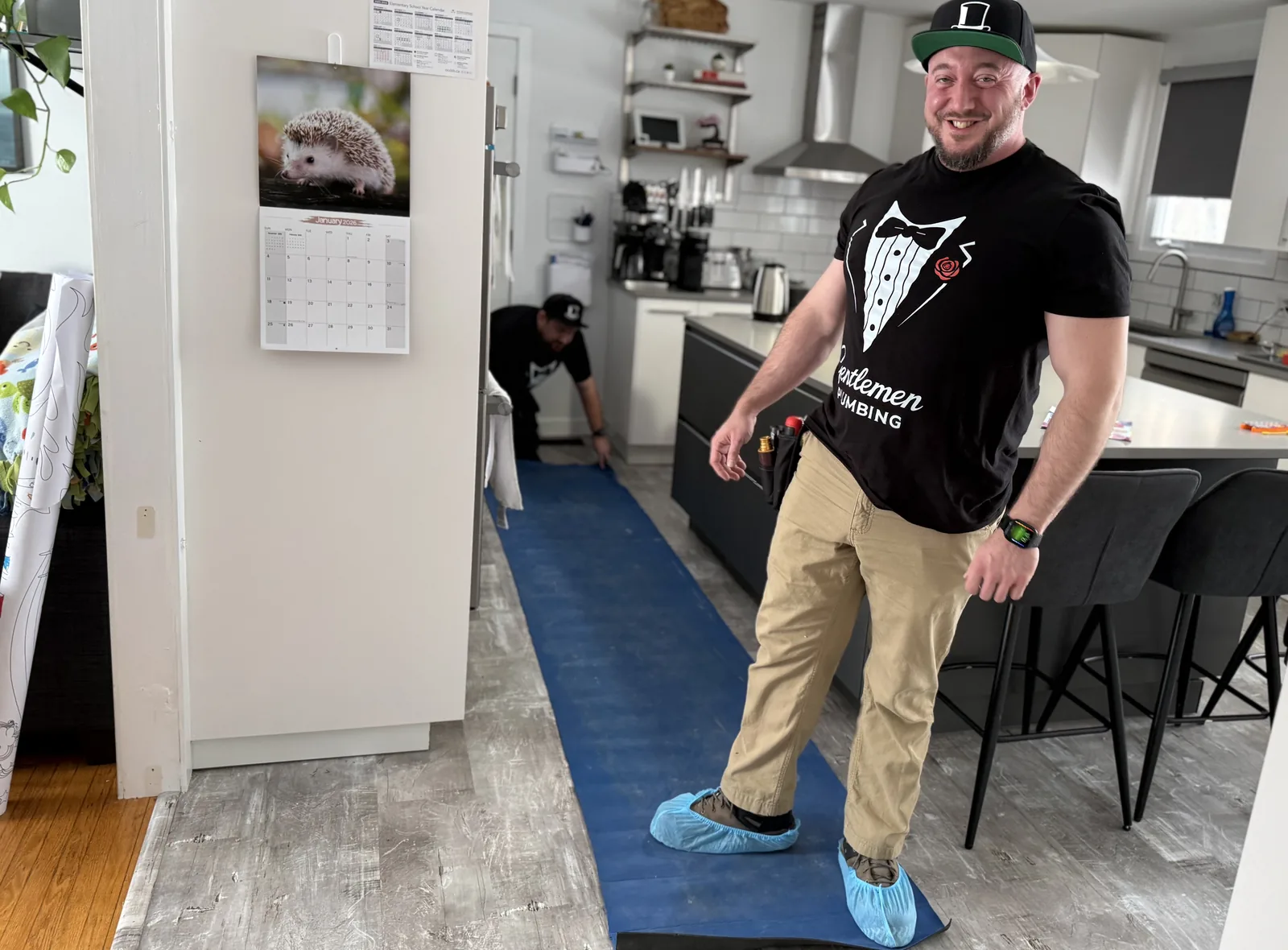
Drain work should still feel controlled.
Clean setup, respectful protection, and a proper walkthrough are part of the service — even when the job is messy.
Listen first
Which fixture is affected? Has it happened before? Do nearby drains react when water runs?
Protect the work area
Drain work should still be controlled, clean, and respectful.
Clear the line at the right level
We address the likely section involved instead of pretending every blockage is the same job.
Test and verify
We check flow and behavior where appropriate so the result is not just assumed.
Explain what we found
If it looks like a one-off local issue, we say so. If it looks deeper, we explain why.
Discuss next steps only when needed
Camera inspection, hydro jetting, repair, or prevention should follow the pattern — not pressure.
Pricing and transparency
Drain cleaning should feel clear — not like a trap.
If we can responsibly talk through likely options before booking, we will. If it needs a proper look first, we say that plainly instead of guessing.
No pressure, no quota energy.
We do not use drain problems as an excuse for aggressive upselling. You approve the option and the price before work begins.
Scope changes pause.
If the real issue is exposed and the scope changes, the conversation happens before the work changes.
Service area
Drain cleaning across Ottawa and nearby communities.
We serve Ottawa and nearby areas like Nepean, Kanata, Stittsville, Barrhaven, and Orléans. If you are just outside the city core and not sure whether you are in range, call and we will confirm quickly.
Drain cleaning FAQ
Common drain-cleaning questions from Ottawa homeowners.
Direct answers first. Clear explanation second.
How do I know if it is one clogged drain or the main line?+
One slow sink, tub, or shower is often local to that fixture or branch. Several drains reacting together, toilet bubbling, or basement floor drain activity can point deeper. The pattern matters.
Do you clean kitchen, bathroom, laundry, and floor drains?+
Yes. Drain cleaning can include kitchen sinks, bathroom sinks, tubs, showers, laundry standpipes, floor drains, and toilets when the issue is a blockage pattern rather than a separate repair need.
What if the same drain keeps clogging?+
A recurring clog can mean the last clearing only touched the symptom. The cause may involve buildup, roots, pipe condition, branch loading, or a deeper restriction. Related pages: Sewer Camera Inspection and Hydro Jetting.
When do I need a sewer camera instead of another cleaning?+
Usually when the clog keeps returning, several fixtures react together, roots are suspected, or the cause remains unclear after straightforward clearing. Learn more on our Sewer Camera Inspection page.
Is hydro jetting always the best answer?+
No. Hydro jetting can be useful for heavy buildup, grease, sludge, or recurring line loading, but it should match the evidence and pipe condition. See Hydro Jetting for when it makes sense.
What should I do if my basement floor drain is backing up?+
Stop using water in the home if the backup is active, especially laundry, showers, and dishwashers. Basement floor drain activity can point to a deeper drainage issue. See Floor Drain Backup.
Should I use chemical drain cleaner before calling?+
Avoid pouring harsh chemicals right before calling. They can create safety issues, damage finishes, and make the plumber’s work more hazardous.
Can tree roots cause repeated clogs?+
Yes. Roots can enter sewer lines and create recurring blockage patterns. The right next step is usually evidence, often camera inspection, before repair language. See Root Intrusion.
Can you quote drain cleaning over the phone?+
Sometimes we can discuss likely options if the pattern is clear. If quoting from a description would be guessing, we say that plainly and recommend a proper look first. For more context, visit Pricing & Transparency.
Will you leave a mess behind?+
No. Drain work should still be controlled and respectful. We protect nearby areas where possible, manage the work zone, and leave you with a proper walkthrough.
Do you serve my area?+
We serve Ottawa and many nearby communities. Review the current coverage on our Areas Served page.
Need drain cleaning in Ottawa?
Tell us what the drain is doing. We’ll handle the next part properly.
Start with the symptoms. Which drain is affected? Has it happened before? Do other fixtures react when water runs? We’ll help slow the stress down, explain the likely next step, and book the right visit without pressure.