


Ottawa drain & sewer service
Main Line Clog in Ottawa
Several drains slow, toilet bubbling, tub backing up, or basement floor drain reacting? We help identify main-line clog patterns and explain the clearing or inspection path.
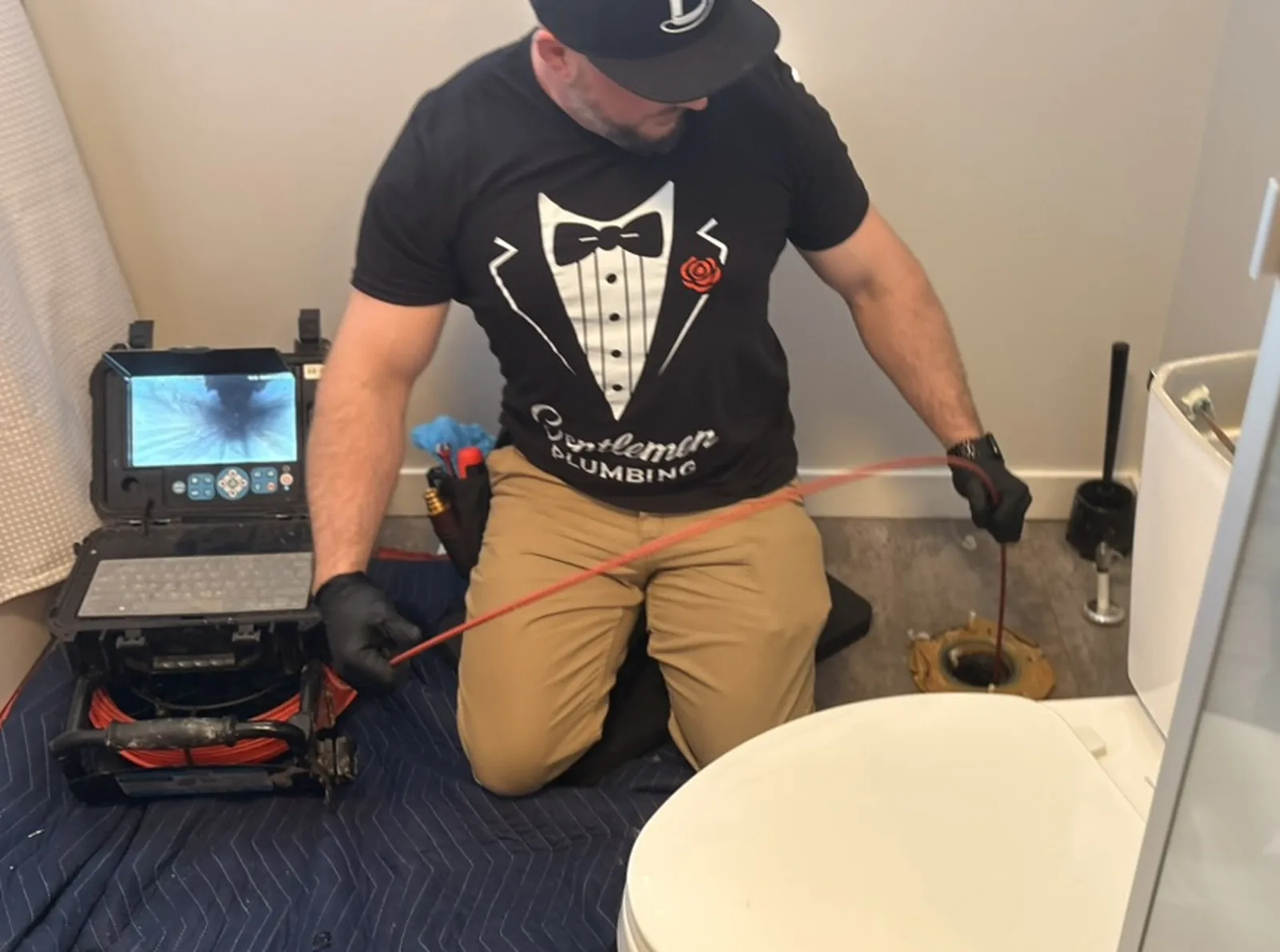
If several drains are acting up
Stop adding water to the drain system.
Avoid flushing, laundry, showers, dishwashers, and sinks if fixtures are backing up together. The pattern may be deeper than one clogged drain.
- Stop testing fixtures.
- Avoid laundry, showers, and dishwashers.
- Call if lower-level fixtures or floor drains are involved.
What you may be seeing
When several drains act up, the pattern matters.
Multiple slow drains, toilet bubbling, tub backup, and floor drain reactions can point beyond a local clog.
Multiple drains are slow
Several affected fixtures can point to a shared branch or main line.
Toilet bubbles or gurgles
Air movement can be a clue in the drainage pattern.
Tub backs up when toilet flushes
One fixture affecting another can point deeper.
Basement floor drain water
Lower-level drain reactions can be a higher-risk warning.
Sewer smell
Sewer smell with slow drains should not be ignored.
Clog keeps coming back
Recurring main-line symptoms may need camera inspection.
Diagnosis first
We read the pattern before recommending bigger work.
A single slow fixture is different from several fixtures backing up together. We look at which drains are affected before recommending clearing, camera inspection, jetting, or repair.
What we look for
- Is it one fixture or several?
- Is the lowest drain reacting?
- Is there sewer smell or dirty water?
- Does the clog keep returning?
Drain pattern clarity
One fixture, several fixtures, or the lowest drain?
Drain and sewer symptoms become clearer when you look at the pattern. The number of affected fixtures and the location of the backup can change the right next step.
One fixture
A single sink, tub, shower, or toilet may point toward a local clog or fixture-specific issue.
Several fixtures
Multiple drains reacting together may point toward a shared branch, building drain, main line, or sewer path.
Lowest drain
A basement floor drain or lower-level fixture reacting can be a higher-risk warning sign.
Recurring issue
A clog that keeps returning may need camera inspection, deeper cleaning, repair, or a prevention plan.
Sewer backup warning
Dirty water, sewage smell, or wastewater appearing in lower fixtures should be handled carefully.
Evidence path
Camera inspection can help explain what is visible before jetting, repair, or excavation-type recommendations.
Clear options
Stop adding water. Then identify the pattern.
We do not force every home into the same answer. Once the issue is assessed, we explain the responsible options and what each one solves.
Stop adding water
If several drains are backing up, avoid flushing, laundry, showers, and dishwashers.
Clear blockage
Clear the immediate restriction where appropriate.
Camera if recurring or unclear
Use evidence when the problem keeps coming back or bigger recommendations are possible.
Repair or prevention path
If evidence shows damage, roots, or repeat risk, explain next options.
What to expect
What happens during a main line clog visit
When water, sewage, or basement risk is active, the first goal is to reduce damage and understand the pattern. Then we explain the safest next step.
- 1
We ask what is active right now.
Rising water, sewage, overflow, high sump pit, or several fixtures backing up changes the priority.
- 2
We help identify whether water use should stop.
If the system is backing up, adding more water can make the problem worse.
- 3
We check the affected fixture or lowest drain.
The location of the backup helps show whether the issue appears local, shared, or deeper.
- 4
We look for pattern clues.
One fixture, several fixtures, recurring issue, sewer smell, or storm timing all matter.
- 5
We explain the likely next step.
Clearing, inspection, repair, sump work, or sewer routing depends on what is found.
- 6
We quote the approved work before beginning.
Urgent does not mean unclear. The next step should still be explained.
- 7
We complete the approved work where possible.
The goal is to stabilize the situation and explain what remains.
- 8
We explain what to monitor afterward.
Especially for backups, recurring clogs, sump failures, and basement water concerns.
Urgent help, clear approval
Active problems still deserve clear pricing.
When water, sewage, or basement risk is active, speed matters — but so does clarity. We assess the situation, explain the safest next step, and confirm the approved work before moving forward.
Helpful guides
Helpful resources for this problem
These resources can help you understand the issue and reduce risk before the next step.
Questions homeowners ask
Questions about Main Line Clog in Ottawa
How do I know it is the main line?
A main line issue is more likely when several drains are slow, toilets bubble, tubs or showers back up when toilets flush, or the basement floor drain reacts.
Is it safe to keep flushing?
No. If drains are backing up, stop flushing and stop adding water through laundry, showers, dishwashers, or sinks until the pattern is checked.
Can you clear a main line clog?
Often, yes, depending on the cause, access, and pipe condition. If the clog keeps coming back or the cause is unclear, camera inspection may be recommended.
Will I need a camera inspection?
Maybe. A camera is especially useful for recurring clogs, suspected roots, sewer smell, or when a larger recommendation is being considered.
What if the clog keeps coming back?
A recurring main line clog may involve roots, buildup, damaged pipe, poor slope, or another underlying issue. Repeated clearing without understanding the cause may only be temporary.
Is this my line or the city sewer?
That depends on where the issue is and what the pattern shows. We can help assess the likely side and explain when municipal involvement may be needed.
Ready for the next step?
One drain, several drains, or something deeper?
Tell us which fixtures are affected, whether anything is backing up, and whether the issue keeps returning. We will help identify the pattern and explain the responsible next step.