


How to Help Prevent Sewer Backup
A sewer backup is stressful, messy, and easy to misunderstand. This guide explains warning signs, practical risk-reduction steps, and when a backwater valve, sewer camera, or drain service conversation may make sense.
Quick answer
You cannot guarantee a home will never experience backup risk, but you can reduce risk by paying attention to warning signs, avoiding problem materials in drains, checking floor-drain symptoms, and reviewing backwater valve options where appropriate.
What is this connected to?
Use these compact routes when the guide points toward a specific service page.
What to know first
Practical boundaries that keep the guide useful without turning it into risky DIY instructions.
Warning signs to respect
Recurring main-line clogs, sewer smell, floor drain activity, multiple fixtures reacting together, or dirty water at lower drains should be treated as more than a simple local clog.
Backwater valve context
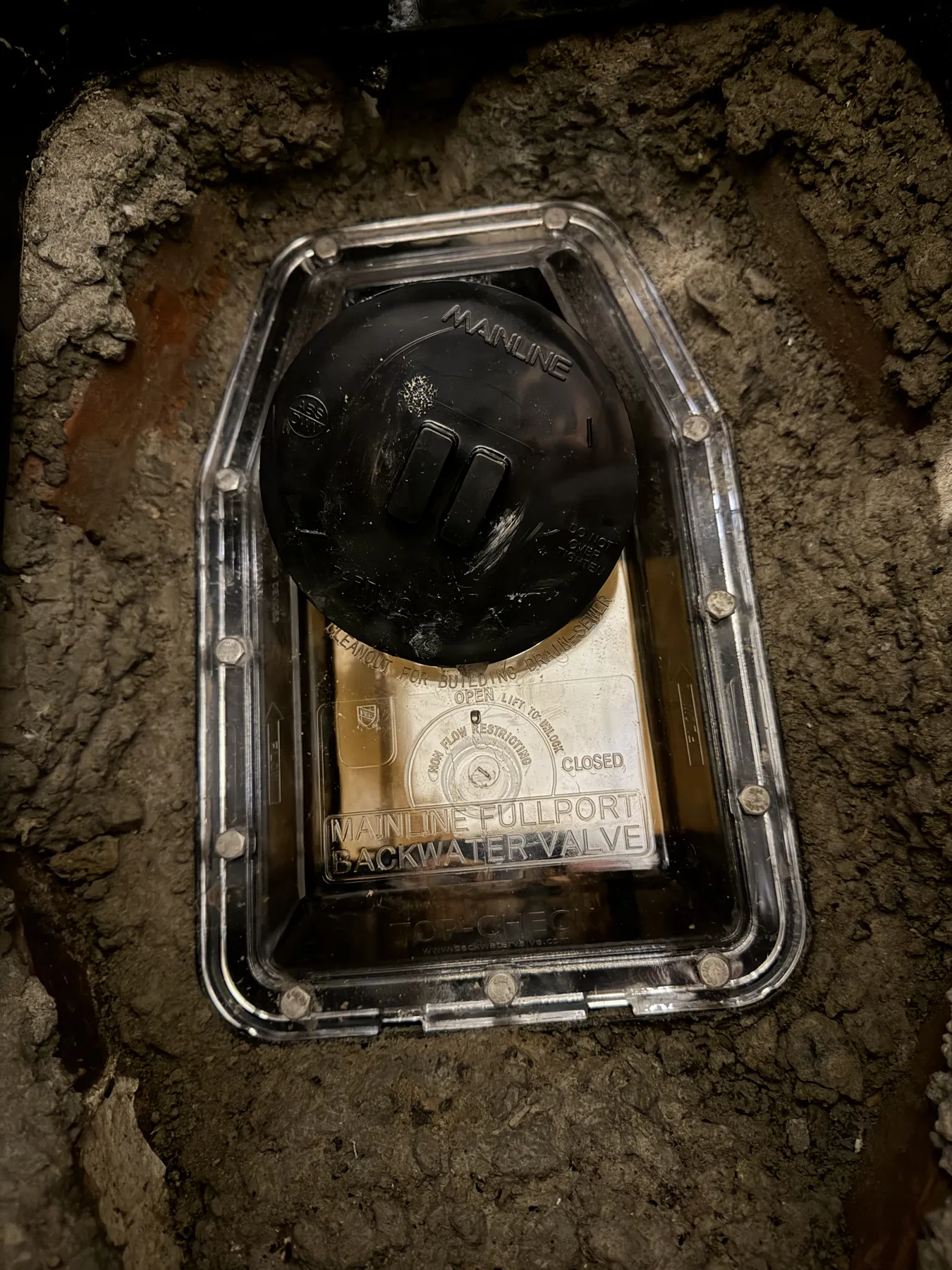
A backwater valve can be part of a basement-protection conversation, but it is not a promise that every kind of basement water or drainage issue is solved.
What cannot be guaranteed
No plumbing page should promise a home will never back up. The goal is risk reduction, better routing, and a clearer plan.
Home Sewer Defense Checklist
Use this checklist to decide whether your home may need sewer-backup prevention or inspection conversation.
Floor drain history
If dirty water, sewer smell, a floor drain, or several fixtures are involved, stop using connected plumbing and route this as a drain/sewer concern.
What this guide is helping you sort
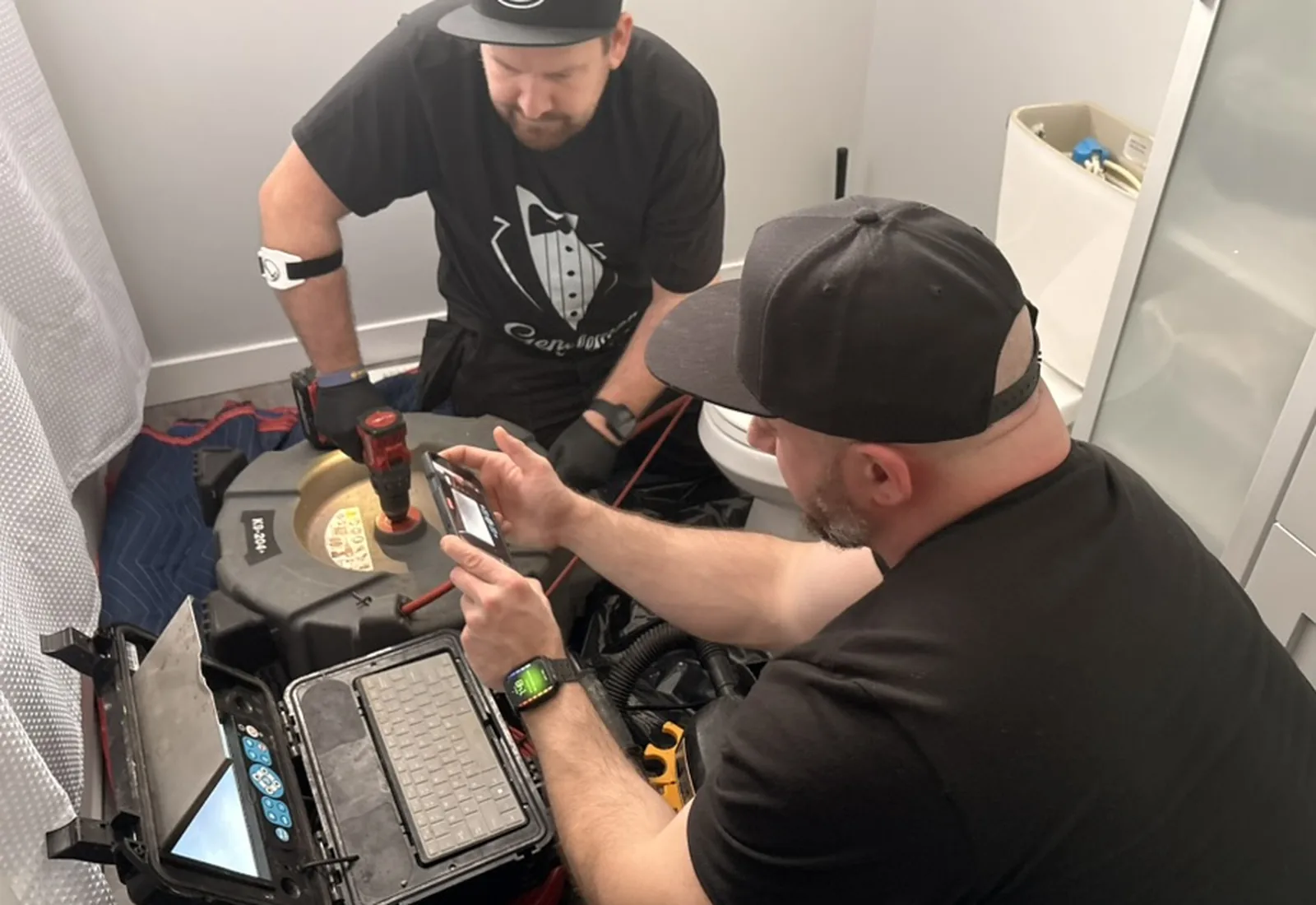
These photos are context only. They do not diagnose your home, but they connect the guide to real plumbing systems and service paths.
Related service paths
Use these links when the guide points toward professional help or a next diagnostic step.
Related homeowner guides
Open these when the symptom overlaps another homeowner-safe explanation.
Frequently asked questions
Can sewer backups be completely prevented?
No page should promise complete prevention. Risk can sometimes be reduced with better habits, inspection, backwater valve planning, and attention to warning signs.
What are warning signs of sewer backup risk?
Multiple fixtures reacting together, sewer smell, floor drain activity, recurring main-line clogs, or dirty water at lower drains are warning signs.
What does a backwater valve do?
A backwater valve is designed to help stop reverse flow under certain conditions. It must be installed, accessible, and maintained properly.
Does a sump pump prevent sewer backup?
No. A sump pump manages groundwater collected in a sump pit. Sewer backup is a different problem.
When does a sewer camera help?
A camera may help when symptoms recur, roots or damage are suspected, or visual information is needed before repair decisions.
What should I do if water is already coming up?
Stop using connected fixtures, avoid dirty water, and call for help. Use the sewer-backup action guide for first steps.
Need help choosing the right next step?
Book online with photos, call if water or sewage is active, or send details first if the issue is planned or hard to describe. We will help route the request clearly.