


Ottawa basement water help
Basement Flooding Help in Ottawa
Water in the basement can come from more than one plumbing system. We help identify whether the issue points toward a sump pump, floor drain, backwater valve, water line, fixture leak, or sewer concern before recommending the next step.
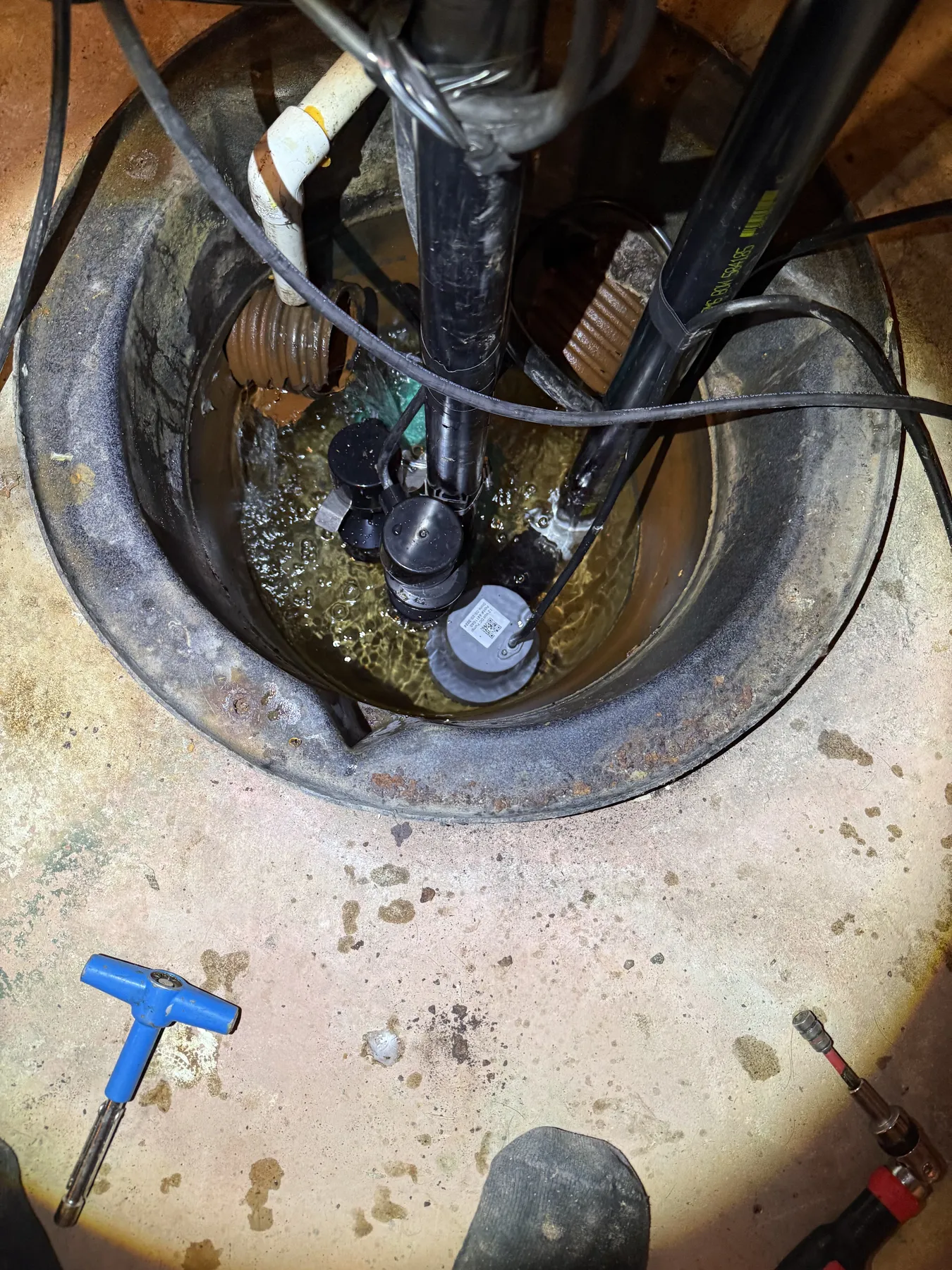
If water is active
Reduce damage first if you can do so safely.
If you can safely shut off the source or stop using affected fixtures, do that first. Stay away from electrical hazards and call if water or sewage is active.
- Stop using fixtures if drains or floor drains are backing up.
- Shut off a safe valve if the water appears to be clean supply water.
- Move valuables away from the affected area if it is safe.
- Avoid electrical panels, outlets, or cords near water.
What you may be seeing
Basement Flooding Help usually starts with visible clues.
Start with the symptoms you recognize. We will help separate the likely plumbing system involved before recommending work.
Water near a floor drain
Water appearing near the floor drain may point toward drain, main line, sewer, or backwater-valve concerns.
Sump pit filling or overflowing
The pump, float, discharge route, power, or water volume may need attention.
Water around mechanical areas
Water near a water heater, shutoff, laundry, or fixture may come from supply or equipment leaks.
Several drains reacting at once
Multiple fixtures reacting can point to a shared drain or sewer issue.
Sewer smell or gurgling
Odour, gurgling, or backup symptoms should be treated carefully and calmly.
Water during rain or thaw
Timing helps separate sump, sewer, foundation, and plumbing-related water symptoms.
Diagnosis first
Basement water is not one single problem.
A wet basement can involve sump equipment, sanitary drainage, floor drains, backwater protection, fixture leaks, supply piping, or non-plumbing sources. We start by identifying which system appears to be involved so the next step is responsible.
What we look for
- Where is the water appearing first?
- Is the sump pump running, silent, or overwhelmed?
- Are floor drains, toilets, or tubs reacting?
- Is there active clean water from a supply line or fixture?
Basement system clarity
Sump, sewer, drain, or supply?
The right repair depends on which system is reacting. We explain the difference in plain language.
Sump / groundwater
The sump pit and pump remove water collected around the foundation system.
Floor drain / sanitary drain
Water at a floor drain can point toward a drain, main line, sewer, or backwater-valve concern.
Backwater protection
A backwater valve is part of the sanitary sewer protection path, not a sump pump.
Supply / fixture water
Clean pressurized water may come from a shutoff, water line, appliance, or fixture leak.
Clear triage
We separate the likely source before quoting work.
Basement flooding needs calm prioritization. We look for the system involved and explain the responsible next step.
Stabilize active water
Slow or stop the water when it is safe to do so.
Identify the system
Separate sump, sewer, drain, supply, fixture, and non-plumbing clues.
Explain options
Discuss repair, drain service, sump service, backwater review, or further investigation.
Approve the scope
Confirm the price and scope before work begins.
What to expect
What happens during a basement flooding visit
The visit starts with safety, visible clues, and the customer’s timeline.
- 1
Listen to the timeline
We ask where the water appeared, when it started, and what else reacted.
- 2
Check visible systems
We inspect visible sump, floor drain, backwater, fixture, and supply clues.
- 3
Explain likely source
We explain what appears most likely and what remains uncertain.
- 4
Provide options
We discuss the responsible next step and what each option solves.
- 5
Approve before work
We confirm price and scope before proceeding.
Pricing clarity
Clear options before work begins.
We explain what we find, what each responsible option solves, and what the approved scope includes before work begins. If the scope changes after investigation, we stop and re-approve before continuing.
Helpful resources
Helpful next stops
These trust and routing pages help you understand how we work, what to expect, and how service is requested.
Questions homeowners ask
Questions about Basement Flooding Help in Ottawa
Is basement flooding always a drain problem?
No. Basement water can involve sump and foundation drainage, floor drains, sewer backup risk, fixture leaks, water lines, or non-plumbing water sources. We start by identifying which system appears to be reacting.
Should I keep using water if the basement is backing up?
If water or sewage is actively backing up, stop using fixtures if you can and call for help. More water use can sometimes make a backup worse.
Can you help if the sump pump is not working?
Yes. Sump pump issues may involve the pump, float, discharge route, power, backup system, or water entering faster than the system can remove it.
What should I tell you when I call?
Tell us where the water is appearing, whether it is clean or dirty, whether drains are backing up, whether the sump pump is running, and whether the issue is active right now.
Is a backwater valve the same as a sump pump?
No. A sump pump handles groundwater collected around the foundation. A backwater valve is part of the sanitary sewer protection path.
Will you tell me the price before doing the work?
Yes. We explain the concern, discuss options, and confirm price and scope before work begins. If the scope changes, we pause and re-approve.
Ready for the next step?
Not sure if it is sump, floor drain, sewer, or foundation water?
Tell us where the water is appearing and whether it is happening now or only during rain. We will help separate the likely system and explain the next step.