


What to Do During a Sewer Backup
Sewer backup symptoms need calm, ordered action. This guide explains what to stop using, what to avoid touching, what to watch, and which service path to open next.
Quick answer
If dirty water, sewage smell, or water from a floor drain appears, stop using connected plumbing, avoid contact with wastewater, keep people away from the area, and call for help.
What is this connected to?
Use these compact routes when the guide points toward a specific service page.
What to know first
Practical boundaries that keep the guide useful without turning it into risky DIY instructions.
First action: stop adding water
Do not keep flushing toilets, running laundry, or testing fixtures if dirty water or floor-drain backup is present. More water can make the backup worse.
Stay away from dirty water
Wastewater exposure can create sanitation concerns. Keep people and pets away from affected areas and avoid contact with dirty water.
Plumbing vs cleanup boundary
A plumber can help identify and address the plumbing/drain source. Drying, contents cleanup, disinfection, or restoration may require a separate provider.
Sewer Backup Action Flow
Use these prompts to choose call-first routing.
Dirty water visible
If dirty water, sewer smell, a floor drain, or several fixtures are involved, stop using connected plumbing and route this as a drain/sewer concern.
What this guide is helping you sort
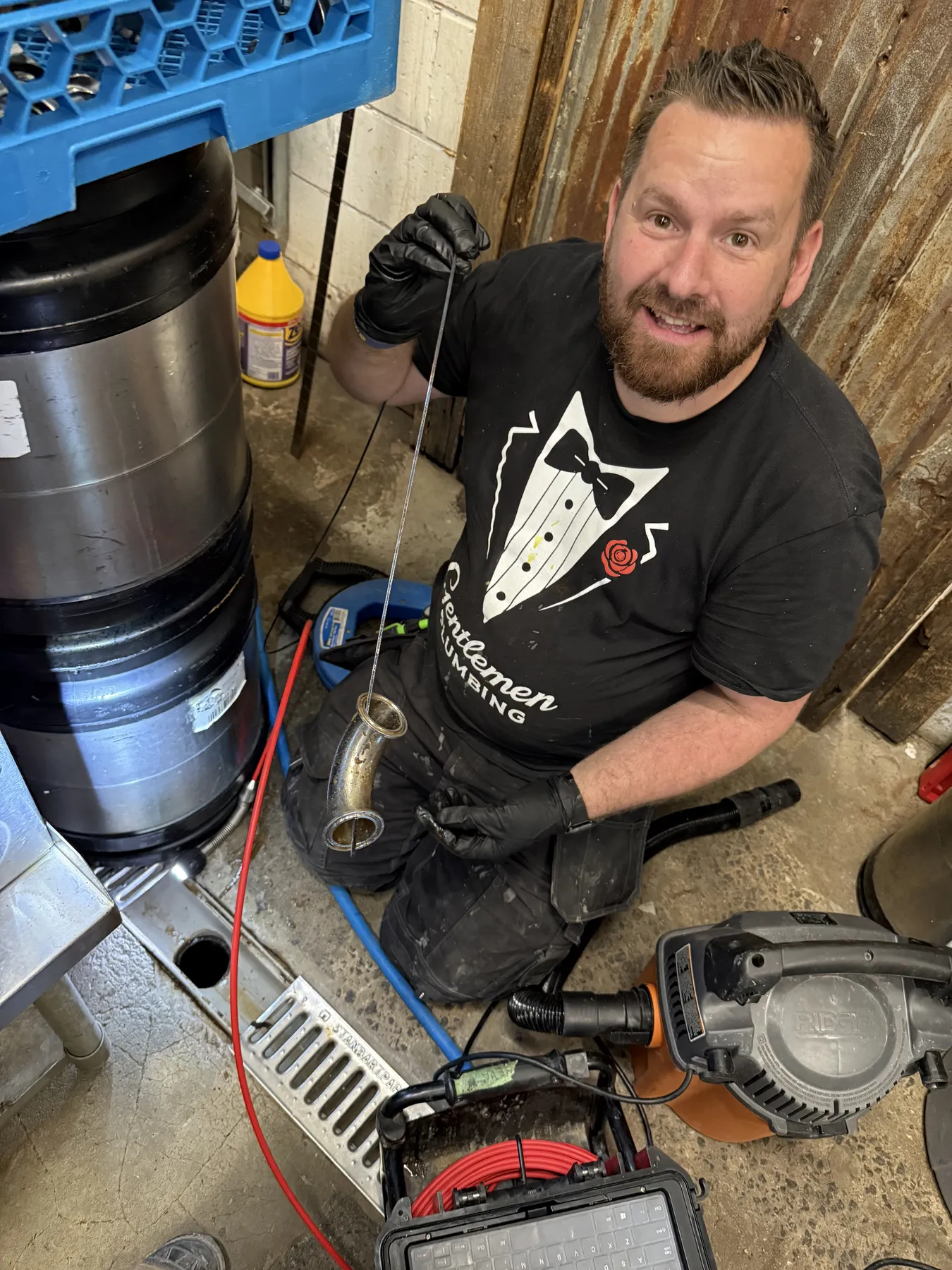
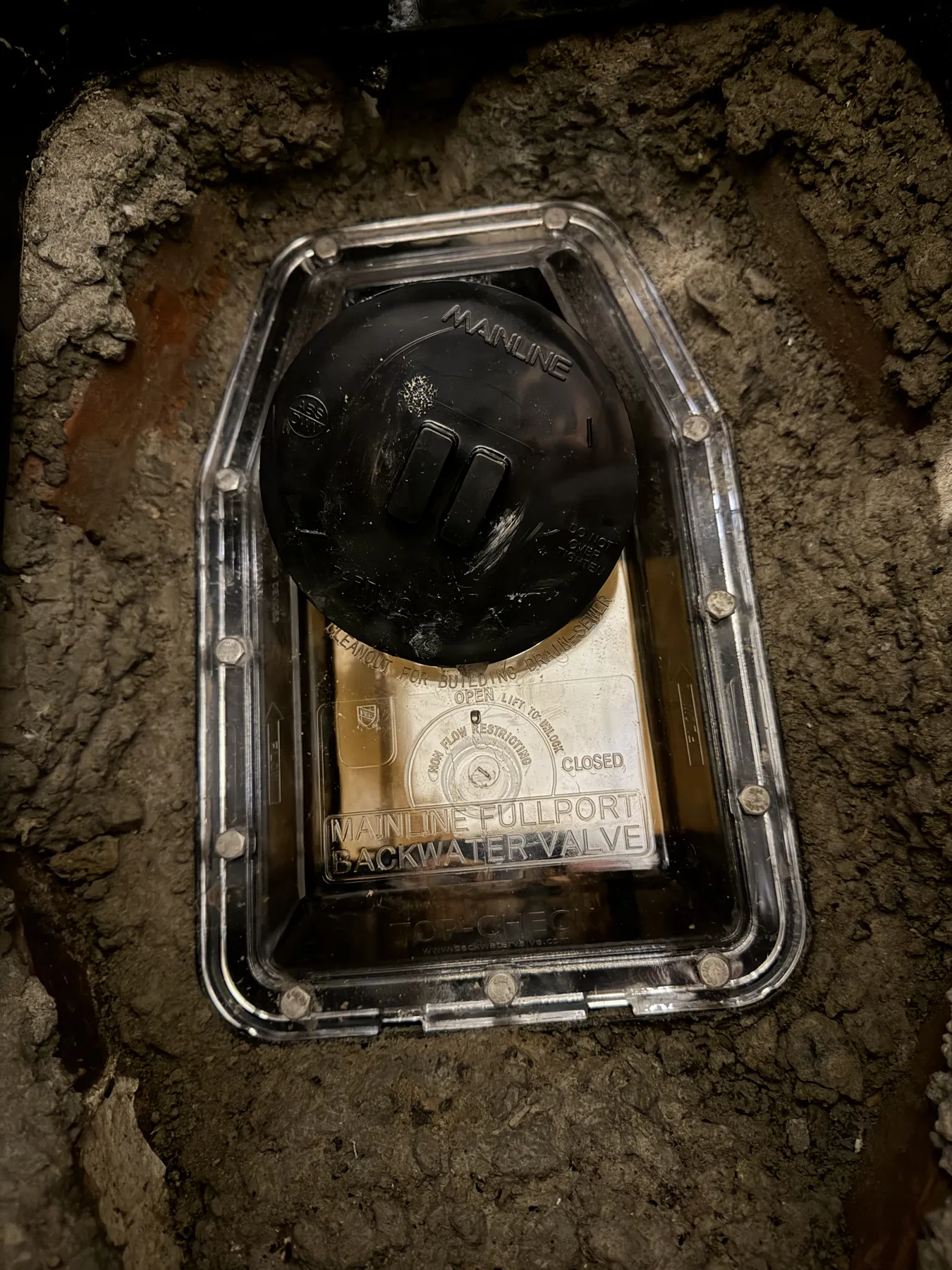
These photos are context only. They do not diagnose your home, but they connect the guide to real plumbing systems and service paths.
Related service paths
Use these links when the guide points toward professional help or a next diagnostic step.
Related homeowner guides
Open these when the symptom overlaps another homeowner-safe explanation.
Frequently asked questions
What should I do first during a sewer backup?
Stop using connected plumbing, avoid dirty water, keep people away from the area, and call for help.
Should I keep flushing or running water?
No. If backup symptoms are present, do not add more water to the system.
Is dirty water dangerous?
Dirty water and sewage should be treated carefully because of sanitation risk.
Why does the floor drain matter?
A basement floor drain can show deeper backup symptoms and may be one of the first visible places water appears.
Can a backwater valve help?
A backwater valve may help under certain conditions, but it is not a complete guarantee against every backup or basement-water issue.
Do I need cleanup or restoration too?
Possibly. Plumbing addresses the source; drying, disinfection, contents, or restoration may require a separate specialist.
Need help choosing the right next step?
Book online with photos, call if water or sewage is active, or send details first if the issue is planned or hard to describe. We will help route the request clearly.