


Sump Pump Maintenance Checklist
A sump pump is easier to think about before the water rises. This checklist helps homeowners look at the pump, pit, discharge route, and warning signs before heavy rain, thaw, or basement-water concerns.
Quick answer
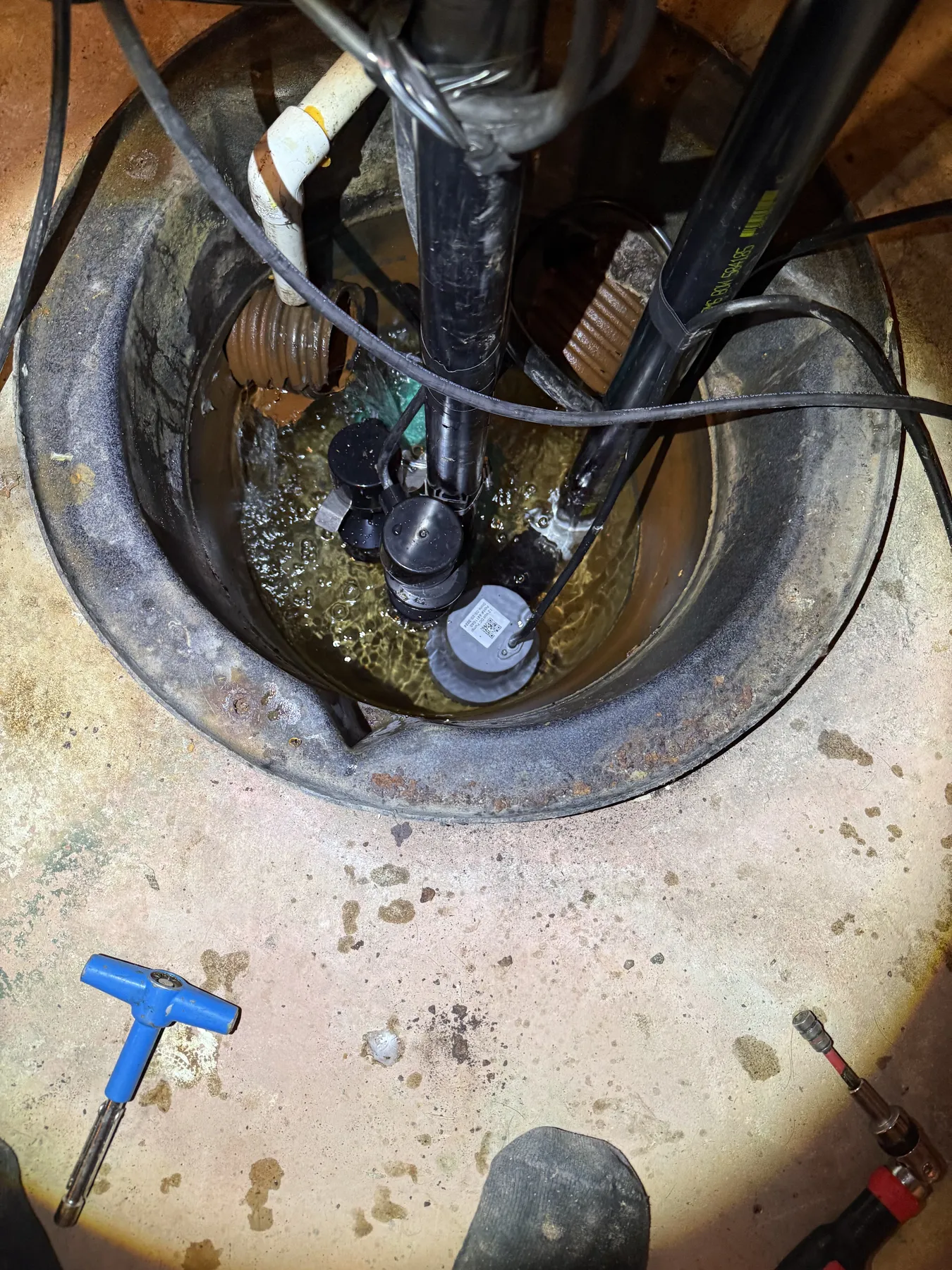
Check that the pit is accessible, the pump is not obviously damaged, the discharge route is understood, and the pump is not showing signs of failure. A sump pump helps with groundwater collected in the pit; it does not prevent every kind of basement flooding.
What is this connected to?
Use these compact routes when the guide points toward a specific service page.
What to know first
Practical boundaries that keep the guide useful without turning it into risky DIY instructions.
What a sump pump does
A sump pump moves water collected in a sump pit away from the home. It is part of groundwater management, not a complete basement-water guarantee.
Pit, pump, and discharge clues
Look for unusual cycling, pump not starting, high water in the pit, discharge concerns, and signs that backup protection should be discussed.
What a sump pump cannot prevent
A sump pump does not prevent sewer backups, burst pipes, water heater leaks, foundation issues, or every possible source of basement water.
Sump Pump Readiness Checklist
Use this before heavy rain, spring thaw, or when the pump sounds different.
Pit is accessible
Basement water needs source routing first: sump, floor drain, sewer, pipe, water heater, or exterior source.
What this guide is helping you sort
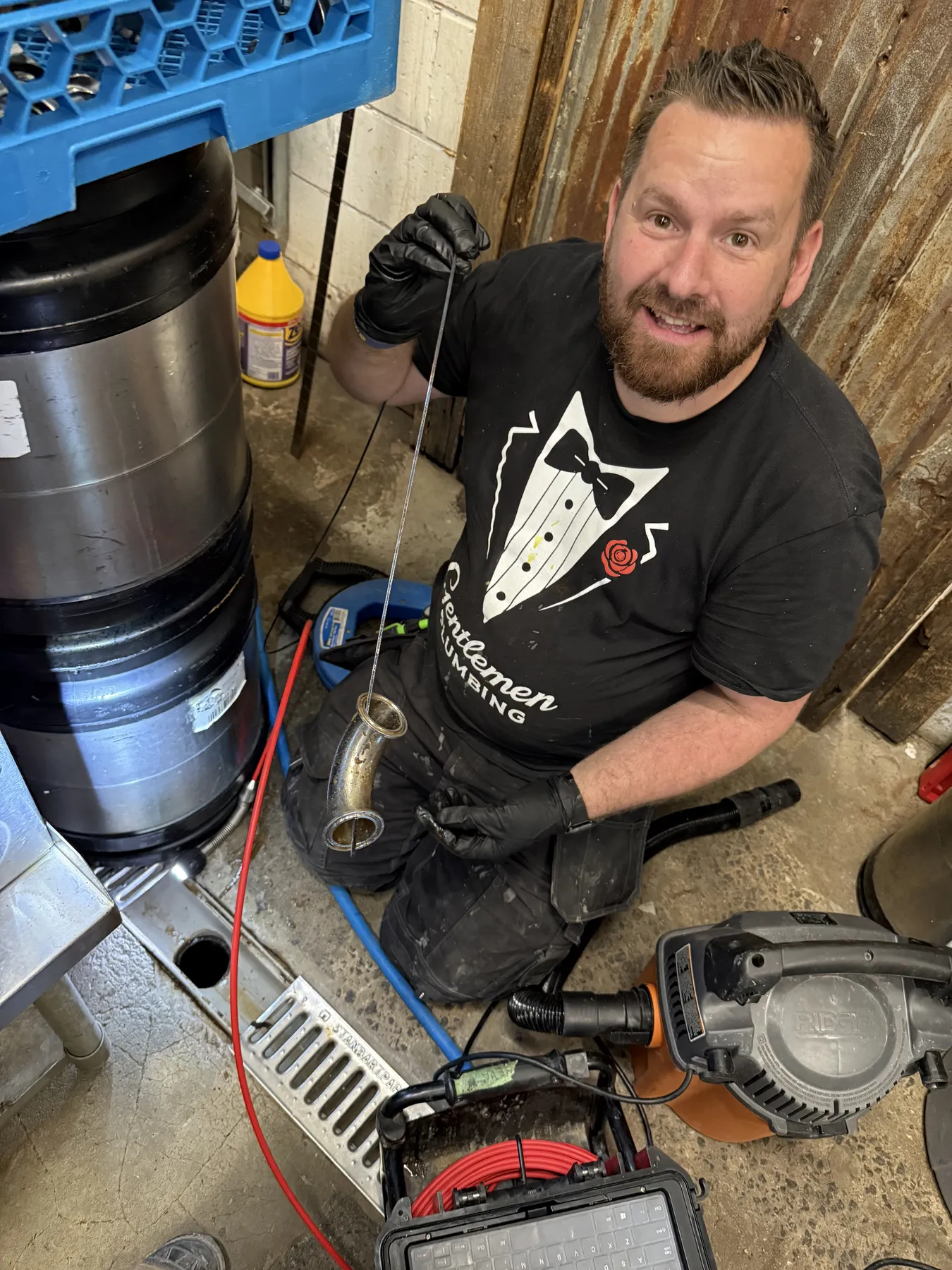
These photos are context only. They do not diagnose your home, but they connect the guide to real plumbing systems and service paths.
Related service paths
Use these links when the guide points toward professional help or a next diagnostic step.
Related homeowner guides
Open these when the symptom overlaps another homeowner-safe explanation.
Frequently asked questions
What does a sump pump actually do?
It moves water collected in a sump pit away from the home. It helps with groundwater collected in the pit.
Can a sump pump prevent all basement flooding?
No. It does not prevent sewer backups, burst pipes, water heater leaks, foundation issues, or every source of water.
What warning signs matter?
High water in the pit, pump not starting, constant cycling, unusual sounds, or discharge concerns are warning signs.
What should I check before heavy rain?
Check that the pit is accessible, the pump appears intact, the float is not blocked, and the discharge route is understood.
Should I have backup protection?
Backup options can be discussed based on risk, power-outage concern, basement use, and budget.
What if my basement is already flooding?
Call first and use the basement flooding route so the source can be identified and the next step can be prioritized.
Need help choosing the right next step?
Book online with photos, call if water or sewage is active, or send details first if the issue is planned or hard to describe. We will help route the request clearly.