


How to Shut Off Water in Your Home
When water is going where it should not, the first useful question is usually simple: can the water be controlled safely? This guide explains fixture shutoffs, main shutoffs, what not to force, and when to call for help.
Quick answer
If water is actively leaking and you can safely reach the correct shutoff, turn it off gently. If the valve is stuck, corroded, leaking, or you are not sure it controls the right line, stop and call for guidance.
What is this connected to?
Use these compact routes when the guide points toward a specific service page.
What to know first
Practical boundaries that keep the guide useful without turning it into risky DIY instructions.
Main shutoff vs fixture shutoff
Fixture shutoffs usually control one toilet, sink, appliance, or fixture. The main shutoff controls water to the home. If you are not sure which valve controls the water, do not force an old or corroded valve just to test it.
- Fixture shutoff: usually near the fixture or appliance
- Main shutoff: often near the water meter, service entry, basement, utility area, or where water enters the home
- If a valve drips or resists movement, stop before worsening the leak
What not to do
Water-control mistakes can make a small leak worse. Avoid forcing stiff valves, disassembling plumbing while water is active, or working near wet electrical areas.
- Do not force a seized valve
- Do not remove water-heater panels or safety parts
- Do not stand in water near electrical panels, outlets, or appliances
- Do not assume a fixture shutoff controls the whole home
When this becomes a service call
If the valve does not stop water, leaks when touched, or is difficult to locate, the issue may need main shutoff service, leak detection, pipe repair, or another plumbing route.
Water Control Checklist
Use this quick checklist to decide whether to act, call, or send details.
Water is actively leaking
If water is active and the shutoff is stuck, leaking, or unsafe, call first and do not force the valve.
What this guide is helping you sort
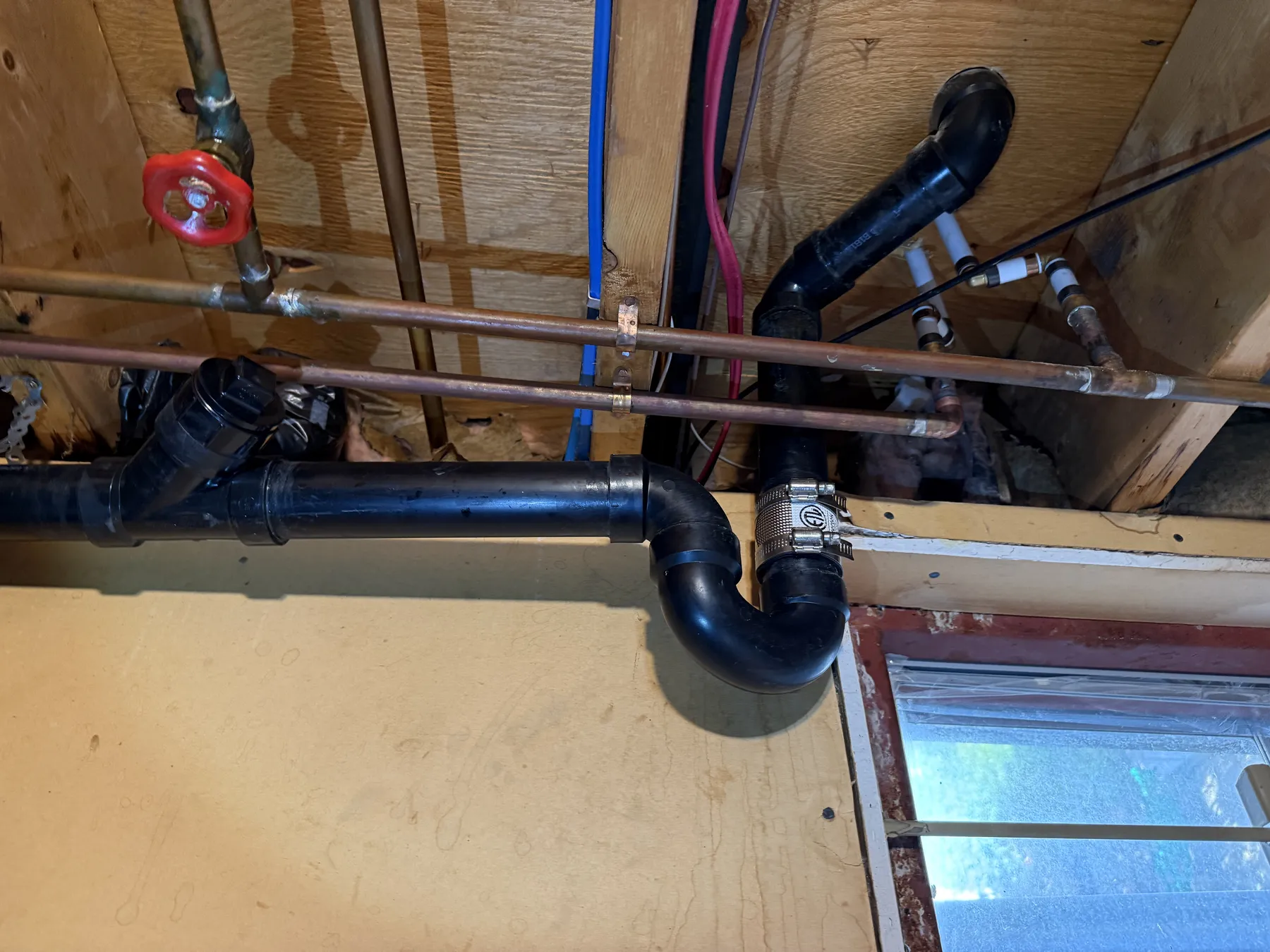
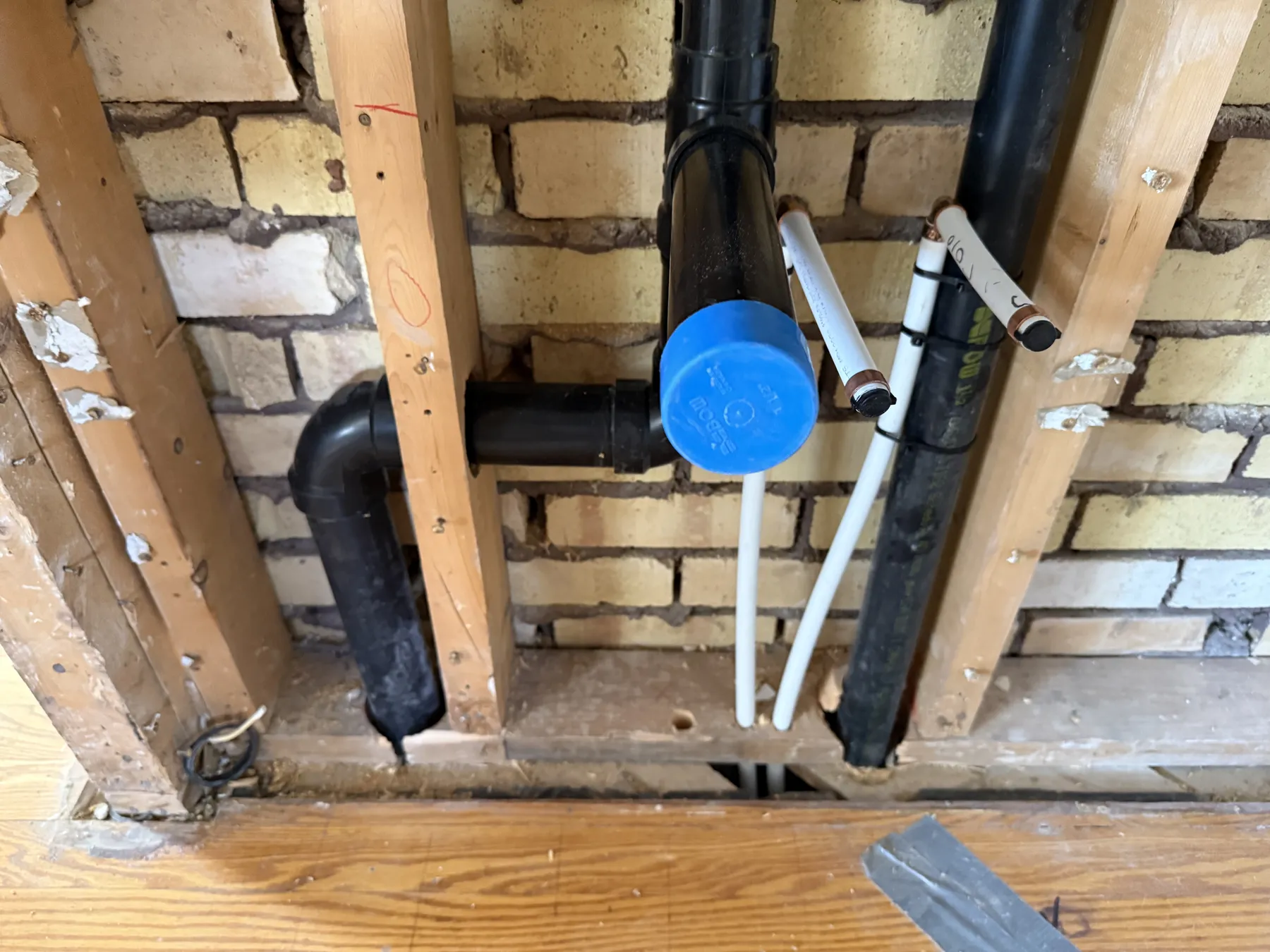
These photos are context only. They do not diagnose your home, but they connect the guide to real plumbing systems and service paths.
Related service paths
Use these links when the guide points toward professional help or a next diagnostic step.
Related homeowner guides
Open these when the symptom overlaps another homeowner-safe explanation.
Frequently asked questions
Where is the main water shutoff usually located?
It is often near the water meter, service entry, basement, utility room, or where the water first enters the home. Homes vary, so location is not always obvious.
What if my shutoff valve will not turn?
Do not force it. A stuck or corroded valve can leak or break when forced. Main shutoff valve service may be the safer route.
Is the toilet or sink shutoff the same as the main shutoff?
No. Fixture shutoffs usually control one fixture. The main shutoff controls water to the whole home.
Should I shut off water to a leaking water heater?
If water is active and you can safely reach the correct shutoff, water control can limit damage. If you are unsure, call before touching equipment.
What if water is near electrical equipment?
Stay clear of wet electrical areas and call for help. Do not stand in water near panels, outlets, appliances, or extension cords.
Can Gentlemen Plumbing replace a main shutoff valve?
Yes, we can assess stuck, leaking, corroded, or unreliable shutoff valves and explain repair or replacement options before work begins.
Need help choosing the right next step?
Book online with photos, call if water or sewage is active, or send details first if the issue is planned or hard to describe. We will help route the request clearly.