


Water Heater Maintenance Tips
A water heater can show warning signs before it becomes a bigger problem. This guide explains what homeowners can look for safely and when repair, leak assessment, or replacement planning should be discussed.
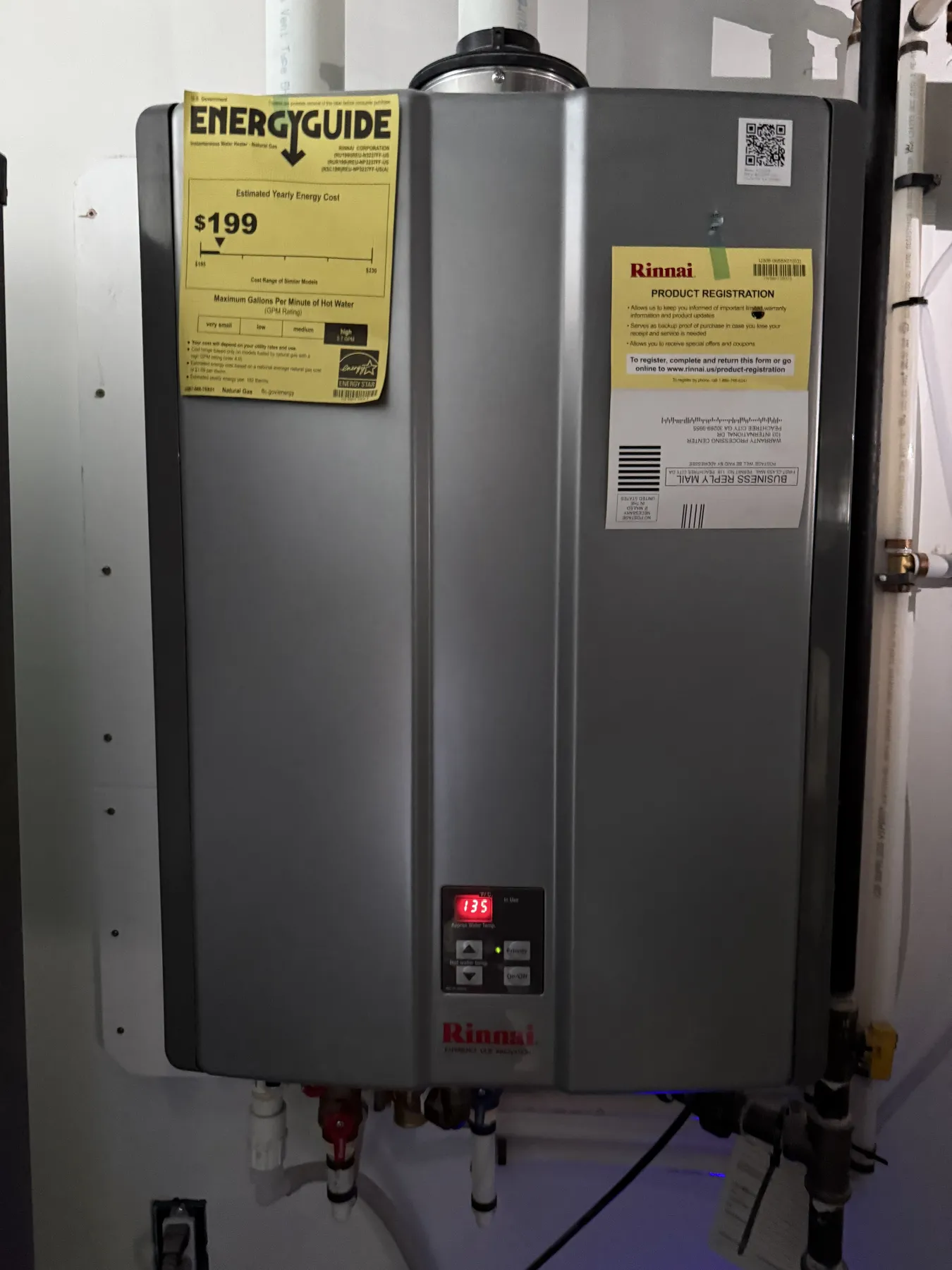
Quick answer
Watch for water near the tank, corrosion, temperature changes, relief valve discharge, unusual sounds, and inconsistent hot water. Do not remove panels, bypass safety parts, or attempt gas/electrical work yourself.
What is this connected to?
Use these compact routes when the guide points toward a specific service page.
What to know first
Practical boundaries that keep the guide useful without turning it into risky DIY instructions.
Safe visual checks
Look around the tank area, connections, relief discharge line, drain valve, and floor nearby. Do not remove covers or alter safety controls.
Water around the tank
Water near a water heater can come from the tank, a fitting, a valve, nearby piping, or another source. The source should be identified before assuming repair or replacement.
Temperature symptoms
Too hot, too cool, or inconsistent hot water can involve the heater, mixing valve, fixture, or another component.
Water Heater Warning Sign Checklist
Use these signs to decide whether service, leak assessment, or replacement discussion may be needed.
Water near tank
Water near the tank, temperature changes, or no hot water should be routed through the water-heater service path before assuming replacement.
What this guide is helping you sort
These photos are context only. They do not diagnose your home, but they connect the guide to real plumbing systems and service paths.
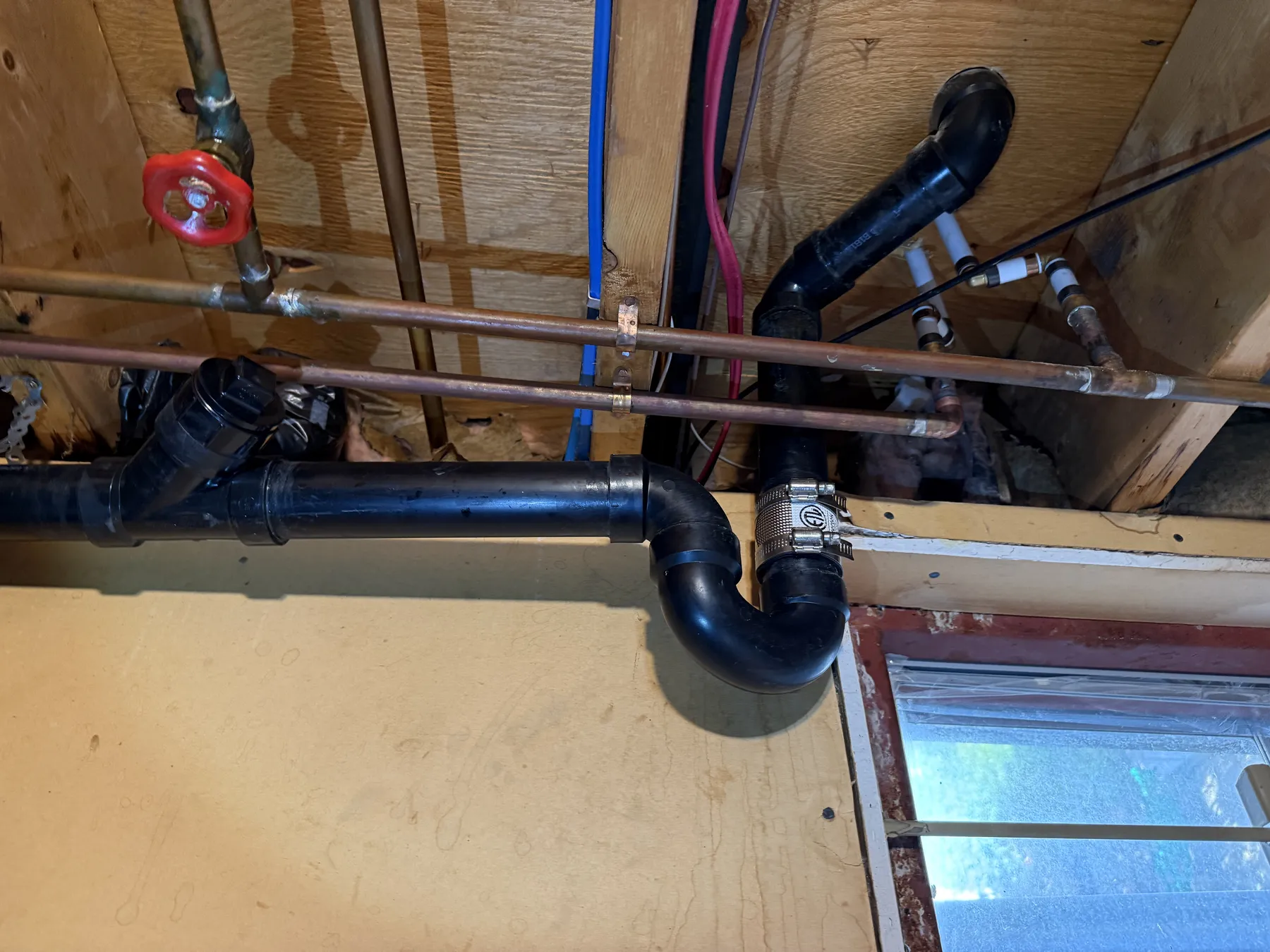
Related service paths
Use these links when the guide points toward professional help or a next diagnostic step.
Related homeowner guides
Open these when the symptom overlaps another homeowner-safe explanation.
Frequently asked questions
What water heater warning signs should I watch for?
Water around the tank, corrosion, temperature swings, relief valve discharge, unusual sounds, and no hot water are signs to take seriously.
Is water near the tank serious?
It can be. The source matters, so do not assume it is harmless or automatically a full replacement.
Why does hot water temperature change?
Temperature issues can involve the heater, mixing valve, fixture, or connected plumbing.
Should I test the relief valve myself?
Do not perform safety-control work you are not trained for. If a relief valve is dripping or discharging, request service.
When is replacement worth discussing?
Replacement may be discussed when the tank itself leaks, repair history is recurring, or the unit is nearing the end of practical service.
Can I send photos first?
Yes. Photos of the tank, visible water, labels, or the mechanical area can help route the request.
Need help choosing the right next step?
Book online with photos, call if water or sewage is active, or send details first if the issue is planned or hard to describe. We will help route the request clearly.