


Ottawa residential plumbing
Toilet Replacement in Ottawa
Old toilet, cracked toilet, weak flush, repeated repairs, or replacement recommendation? We explain whether replacement makes sense, what the installation scope includes, and what should be checked before work begins.
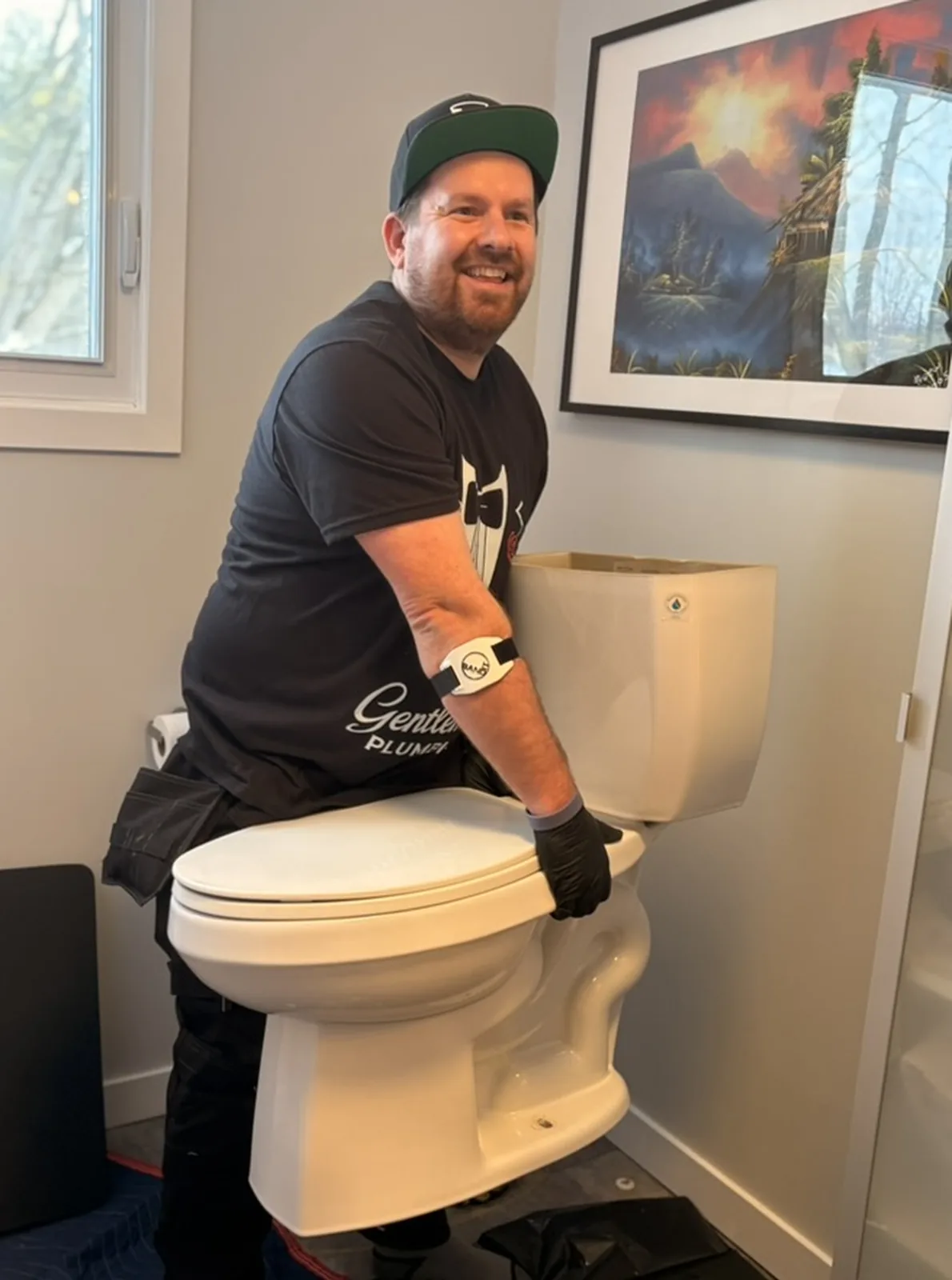
Planning installation or bigger work?
The scope should be clear before work begins.
Installation and replacement work should include a clear explanation of what is included, what may change, and what needs approval before the home is opened or fixtures are moved.
What you may be seeing
Toilet symptoms point to different repair paths.
We start with the symptom, then look for the pattern that tells us whether the issue is local, recurring, shared, or connected to surrounding plumbing.
Cracked toilet
A crack in the tank or bowl can make replacement the responsible path.
Repeated repairs
If the same toilet keeps failing, replacement may be more practical than more parts.
Poor flushing
Some older or low-performing toilets are not worth repeated repair attempts.
Base or flange issues
A replacement may reveal flange, floor, or seal concerns that need attention.
Bathroom upgrade
A new toilet can be part of a bathroom refresh without a full renovation.
Water efficiency / comfort
Height, style, flush performance, and reliability can influence replacement choice.
Diagnosis first
Replacement should be recommended for a reason.
A toilet should not be replaced just because replacement is easy to sell. We check whether repair is still responsible and whether the fixture, floor, and flange support a clean installation.
What we check
- Is the issue inside the tank, at the base, or in the drain?
- Is the toilet running, leaking, rocking, clogging, or not flushing?
- Is the water clean or dirty?
- Is the shutoff working?
- Are other fixtures reacting too?
Toilet symptom clarity
Tank, base, flush, seal, flange, or drain?
A toilet problem can look simple from the outside, but the repair path depends on where the symptom starts. The tank, supply, base seal, flange, floor, fixture, and drain path can all create different warning signs.
Tank parts
Running water, weak flushes, refill trouble, handle issues, and water-level problems often start inside the tank.
Supply side
Clean water feeding the toilet can involve the shutoff valve, supply tube, fill valve, or connection points.
Base seal
Water at the base, sewer smell, or a recently moved toilet can point toward the wax ring or seal.
Flange / floor
A rocking toilet, damaged flange, loose bolts, or soft floor can affect whether the toilet can be sealed properly.
Flush function
A toilet that will not flush may involve the handle, chain, flapper, flush valve, tank level, clog, or drain restriction.
Drain route
Repeated clogs, gurgling, tub reaction, or several fixtures backing up may point beyond the toilet.
Clear options
The right path depends on what we find.
We do not force every home into the same answer. Once the issue is assessed, we explain the responsible options and what each one solves.
Repair still makes sense
Best when tank parts, supply, seal, or minor fixture issues can be handled responsibly.
Replace the toilet
Best when the toilet is cracked, unreliable, poor-flushing, obsolete, or not worth repeated repairs.
Replace plus flange/floor attention
Best when the old toilet cannot seal properly or has been rocking or leaking.
Replace plus shutoff/supply updates
Best when supporting water connections are old, leaking, or unreliable.
Route to drain diagnosis
Best when the replacement request is actually driven by repeated clogs or several-fixture symptoms.
What to expect
What happens during a toilet replacement visit
The goal is not just to fix the plumbing issue. It is to help you understand what happened, what was approved, what was done, and what to watch for afterward.
- 1
You tell us what you are seeing.
Where it is happening, when it started, and whether it is getting worse.
- 2
We ask pattern questions.
One fixture or several? Clean water or dirty water? Constant or only during use?
- 3
We inspect the relevant area.
Fixture, drain, supply, valve, tank, base, flange, or sewer path depending on the page.
- 4
We explain what appears to be happening.
Plain-English explanation, not scare tactics or jargon.
- 5
We give options where appropriate.
Repair, replacement, cleaning, inspection, or prevention path depending on the issue.
- 6
You approve price and scope before work begins.
No silent add-ons. No surprise scope shift.
- 7
We complete the approved work.
With protection for the home and care around finished areas.
- 8
We test, clean, and walk you through it.
The job is not done until the result is checked and the space is respected.
Quote clarity
A bigger installation or repair scope should be clear first.
Installation, replacement, and larger repair pricing depends on access, existing condition, materials, and what is included. We explain the scope before work begins and pause for approval if anything changes.
Helpful guides
Helpful resources for this problem
These resources can help you understand the issue and reduce risk before the next step.
Questions homeowners ask
Questions about Toilet Replacement in Ottawa
How do I know if my toilet needs replacement?
Replacement may make sense if the toilet is cracked, repeatedly failing, poor-flushing, unstable, old, or no longer worth repairing.
Can a toilet be repaired instead of replaced?
Often, yes. Tank parts, seals, supply issues, and some flush problems can be repaired. Replacement is recommended when repair is not responsible or practical.
What if the toilet keeps clogging?
Repeated clogs may be the toilet, but they may also be a drain issue. If other fixtures react too, drain cleaning or main-line diagnosis may be needed before assuming replacement will solve it.
Do you remove the old toilet?
Old toilet removal should be part of the approved replacement scope. The quote should explain what is included.
What if the flange is damaged?
A damaged flange can affect the seal and stability of the new toilet. If it needs repair, we explain the added scope before continuing.
Can I choose the replacement toilet?
Yes, but the toilet needs to fit the space and installation conditions. Customer-supplied toilets should be checked for compatibility and completeness.
Does replacement include a new wax ring or seal?
A proper replacement should include a new seal as part of the installation scope, but the exact parts and scope should be confirmed before work begins.
Do you confirm the quote before starting?
Yes. We explain replacement scope, supporting work, old toilet removal, and any possible changes before beginning approved work.
Ready for the next step?
Tank, base, flush, seal, or drain symptom?
Tell us what the toilet is doing and whether water is active. We will check the likely source, explain the options, and confirm price and scope before work begins.